Wednesday 11th March 2026
I had to pop through to York this morning and once I had finished what I had come for I headed over to the Minster for a quiet browse for an hour or so.
It was a lovely bright and sunny morning, but a cool westerly breeze kept the temperature down a little. I always enjoy the walk down Stonegate on my way to the minster and walking across Minster Yard towards the West door entrance, Minster Yard was exceptionally busy this morning with tourists and visitors alike. Much of the South aspect of the minster was covered behind scaffolding and white sheets whilst restoration work continues on the Rose Window and the area around the South front.
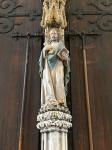
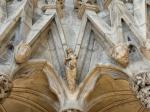
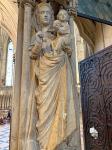
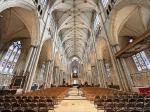
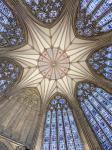
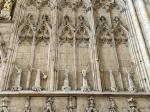
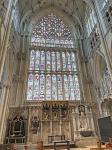
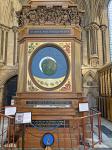
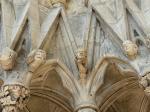
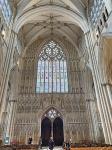
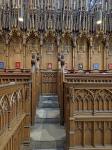
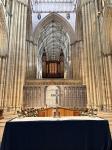
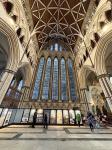
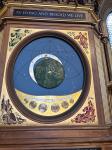
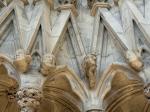
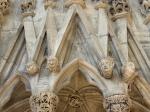
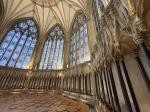
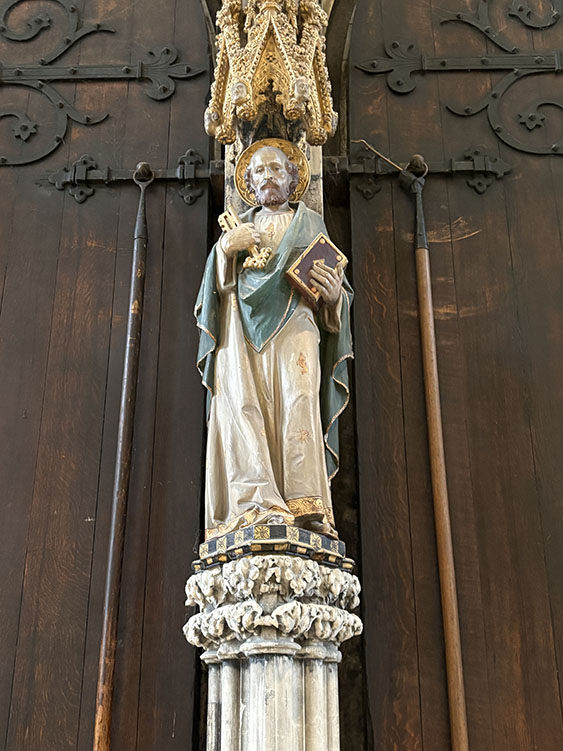
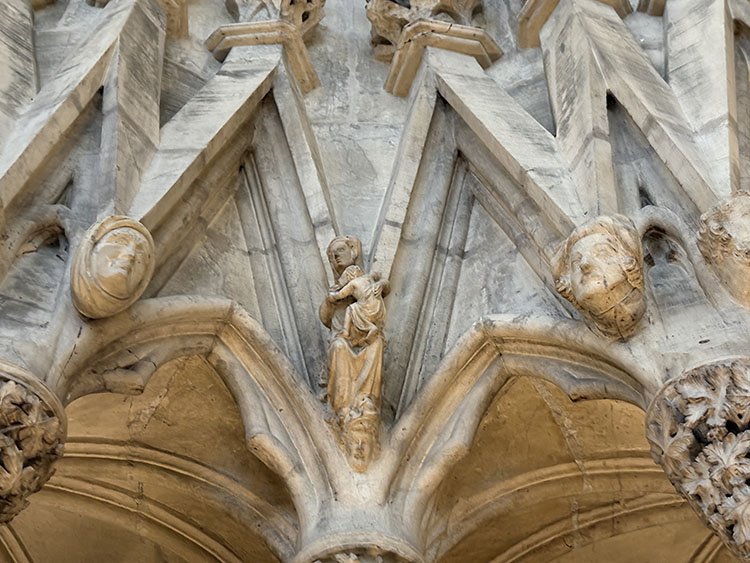
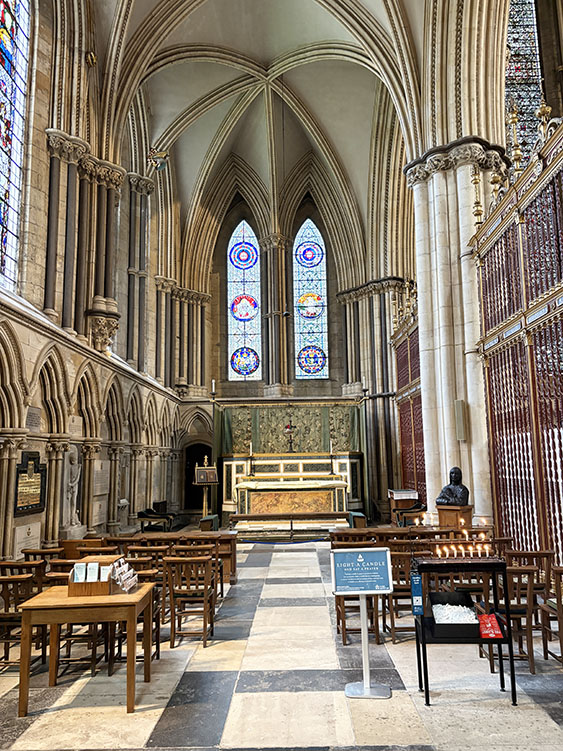
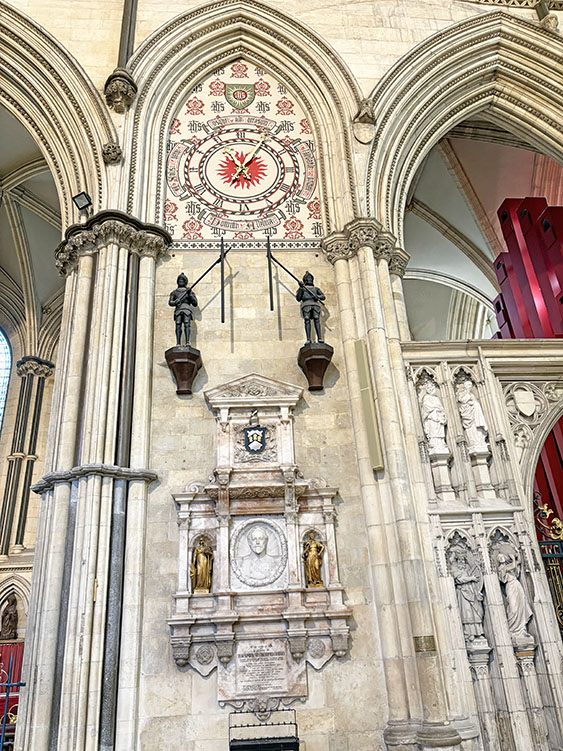
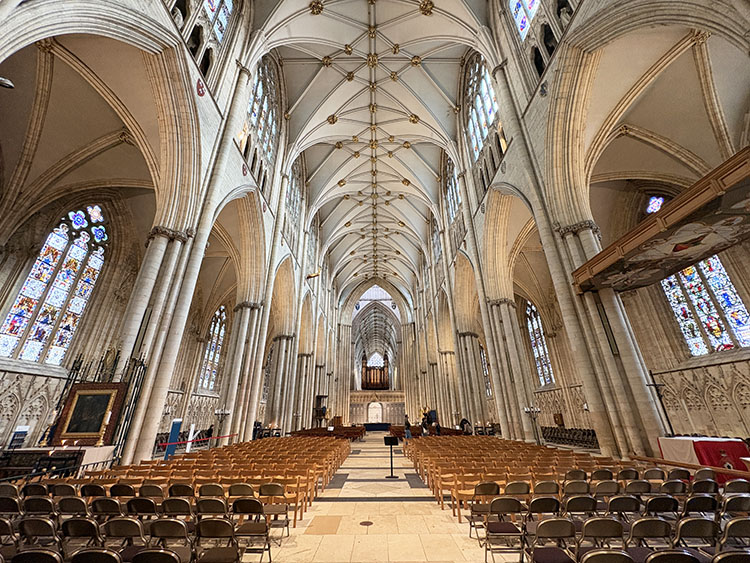
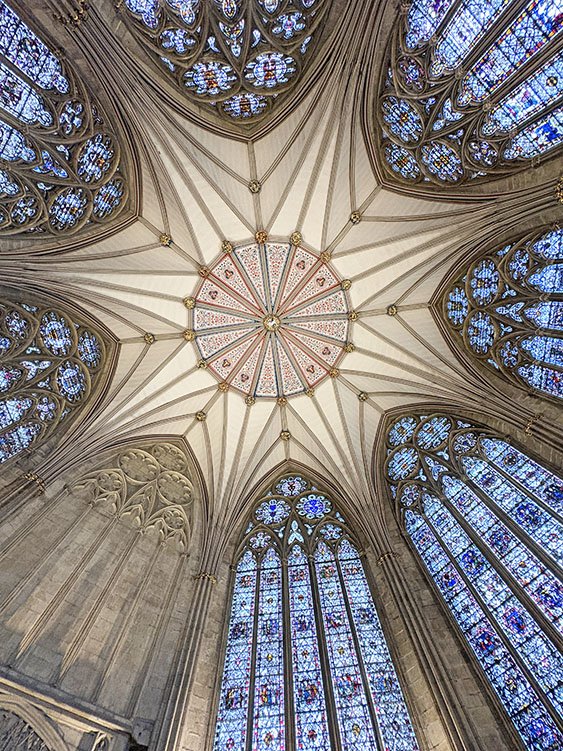
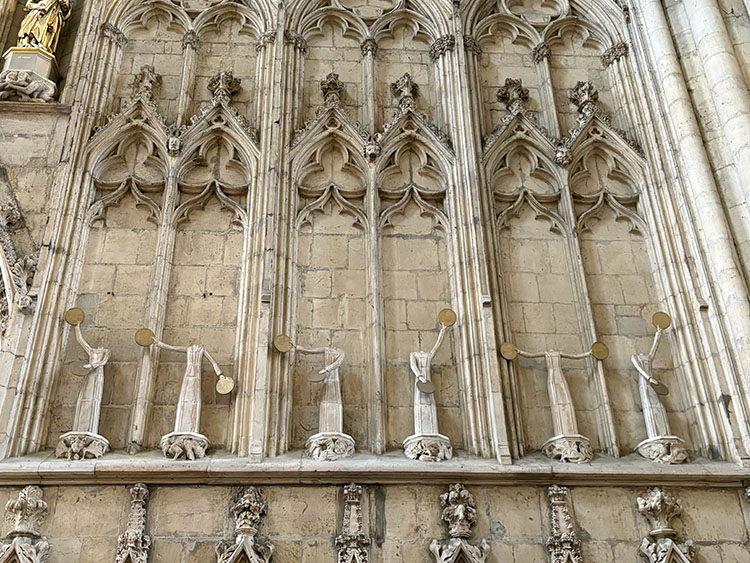
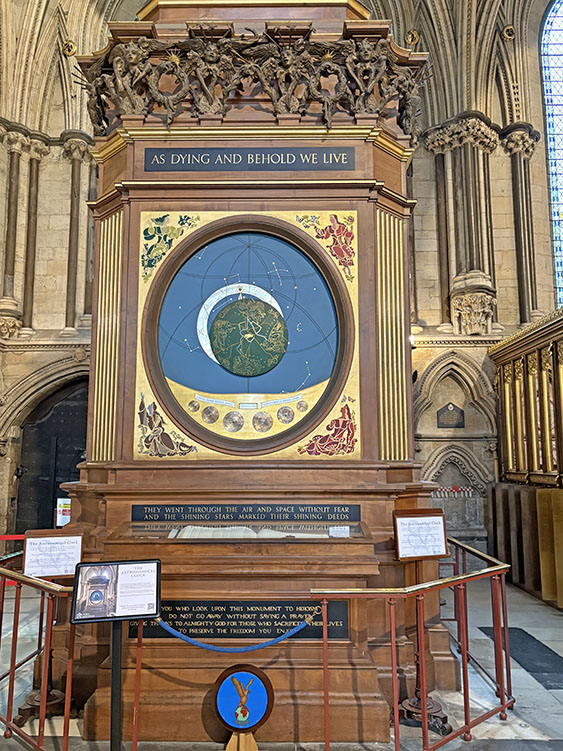
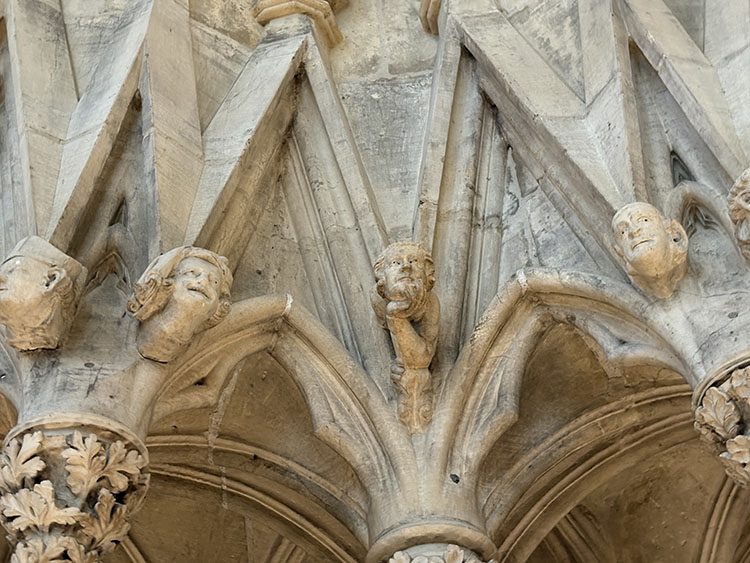
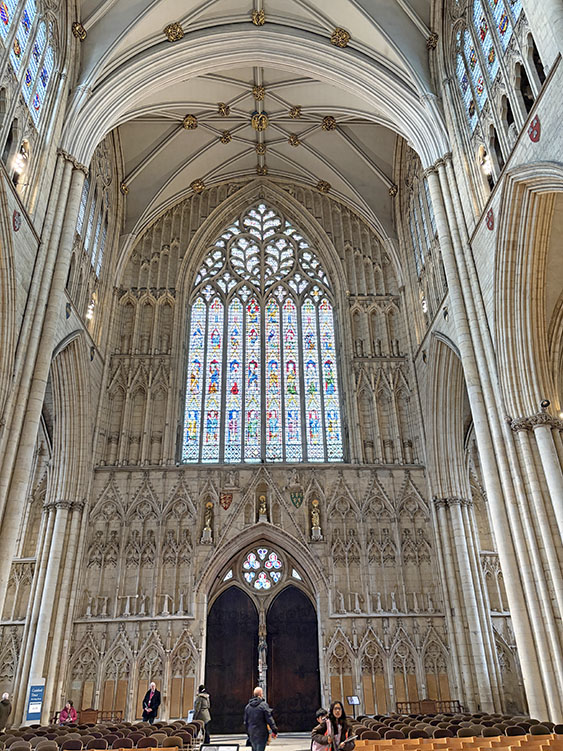
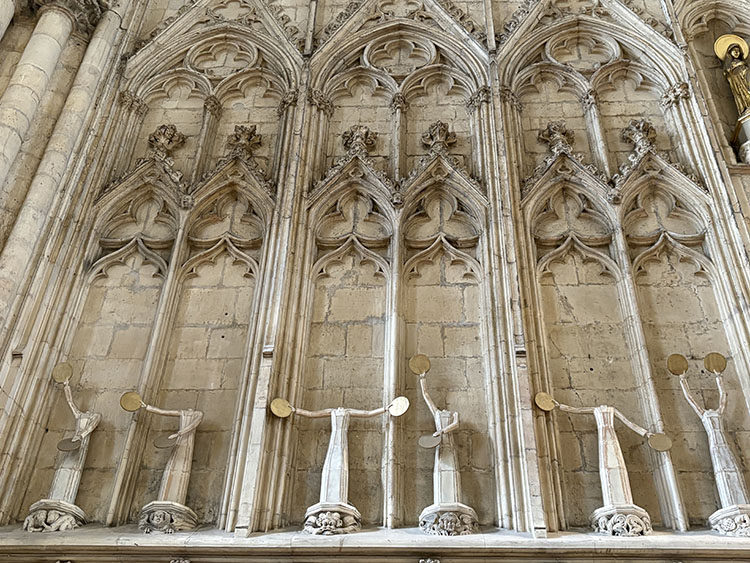
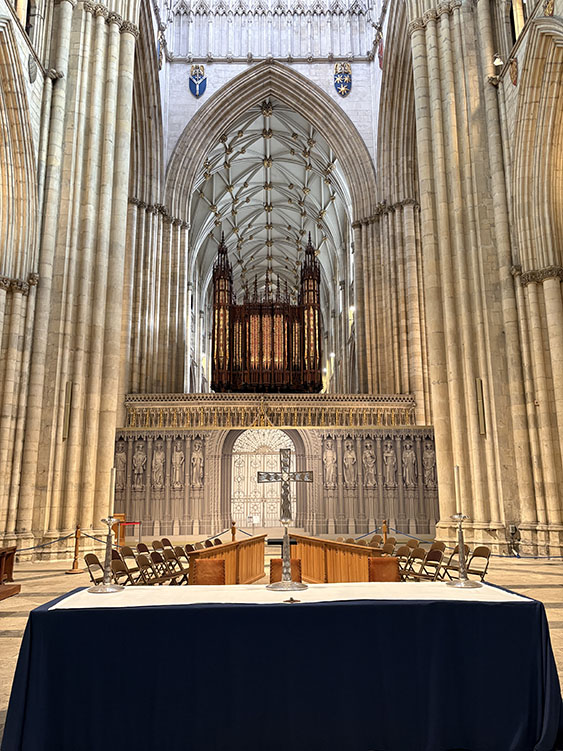
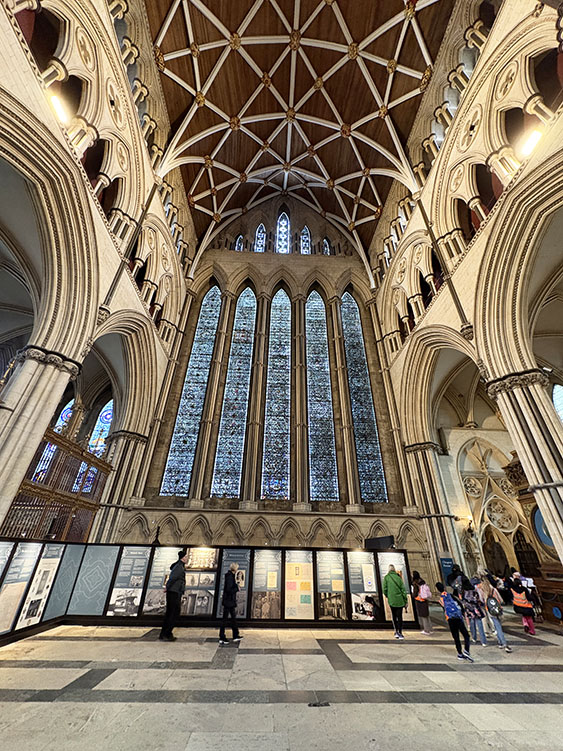
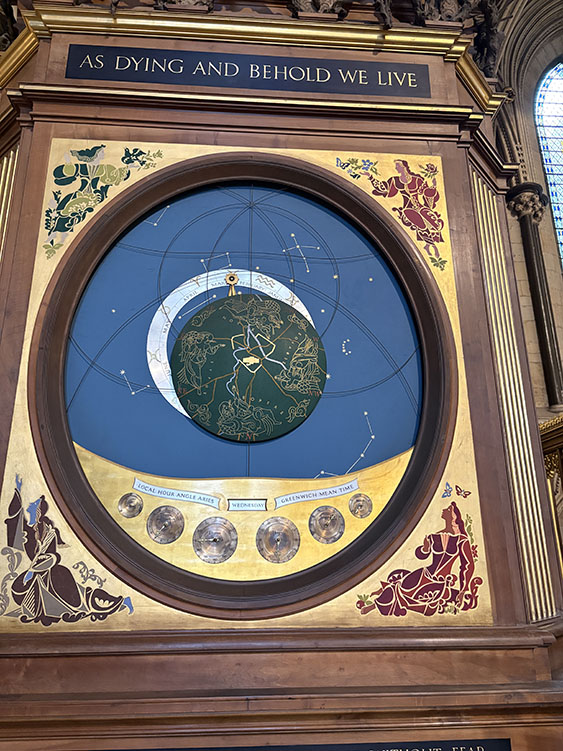
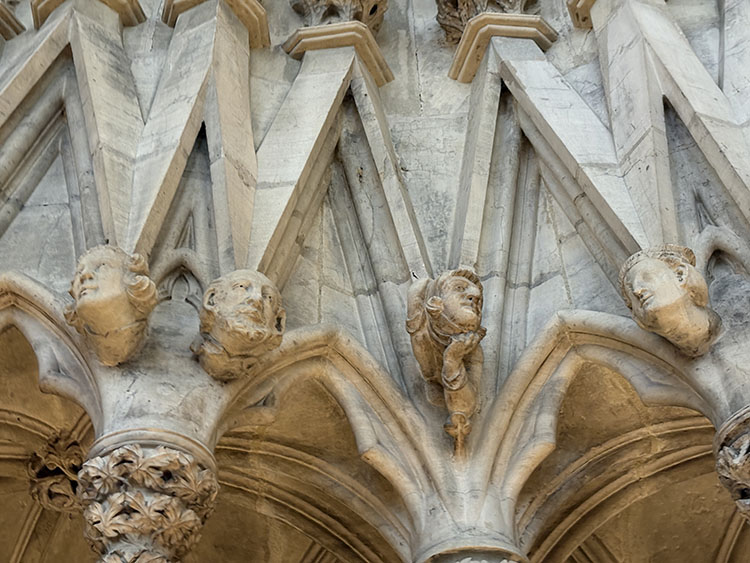
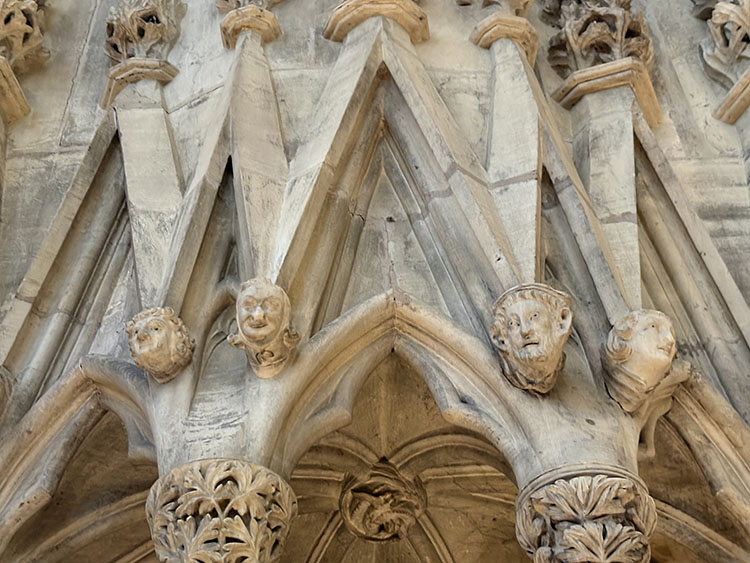
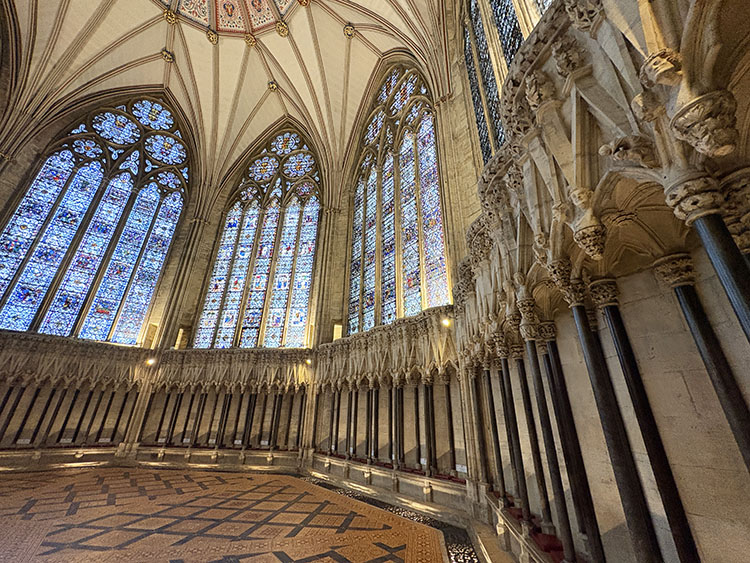
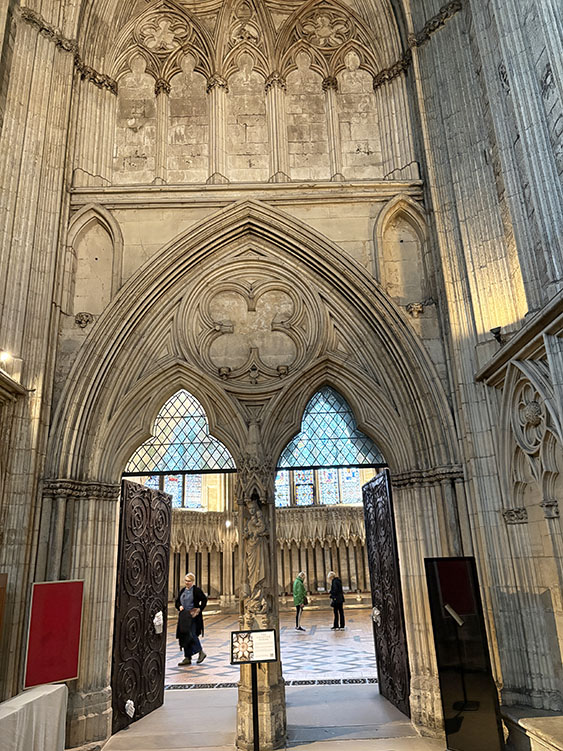
This was my first visit this year, and after showing my pass to the reception staff, I made my way along the North Nave before heading into the Nave and walked up to the West door to have a look at the twelve Semaphore Saints, the headless sculptures spell out the words ‘Christ is Here’ using the semaphore code. The statue of St Peter stands between the Great West Doors looking down the Nave, today the west doors are only used on formal occasions and is known as the archbishop’s entrance. The Nave at York Minster is one of the longest and widest naves of any medieval cathedral in England, built between 1291 and 1350 it measures 32 metres wide and 63 metres in length. The original roof was destroyed in a fire in 1840, being too large to span in stone its construction was made in timber, its nineteenth century replacement is also made from wood and painted to look like stone. At this point of my visit we had a short service when one of the clergy introduced herself and we had several minutes of prayers which was very pleasant. Leaving the Nave behind me I headed back over to the North transept and popped into St John’s Chapel which is dedicated to the Kings Own Yorkshire’s Light Infantry, one of three surviving chapels in the minster. After I lit a candle, I left the chapel and around the corner to the Central Crossing under the huge central tower. Much work is being carried out here and a protective screen has been erected around the Quire area whilst work is being carried out to construct a step free access into the quire area. After stopping to admire the huge five sisters window just over 16 metres in height and the oldest window still in its original location, much of the window dates from the 1250’s. It is just a short walk from here into the octagonal Chapter House. Originally built as an assembly room for the Chapter to run its day-to-day business. Today it is still used for meetings of the College of Canons. As well as the beautiful Ceiling and tiled floor the Chapter House is full of small stone carvings, hundreds of them, the more you look, the more you discover, some funny, some sad and some happy, I am still looking for the talkative woman with her mouth tied up! I left the Chapter House to have a good look at the ornate two-faced Astronomical clock, installed in 1955 as a memorial to the airmen operating from bases in Yorkshire, County Durham and Northumberland who were killed in action during the Second World War.
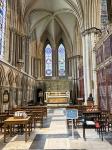
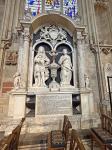
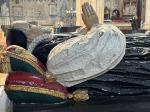
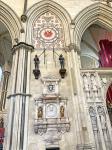
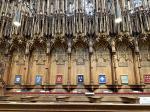
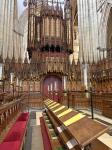
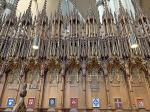
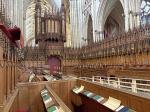
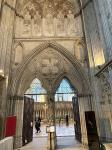
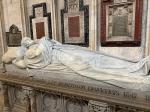
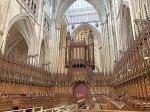
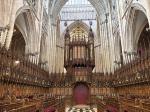
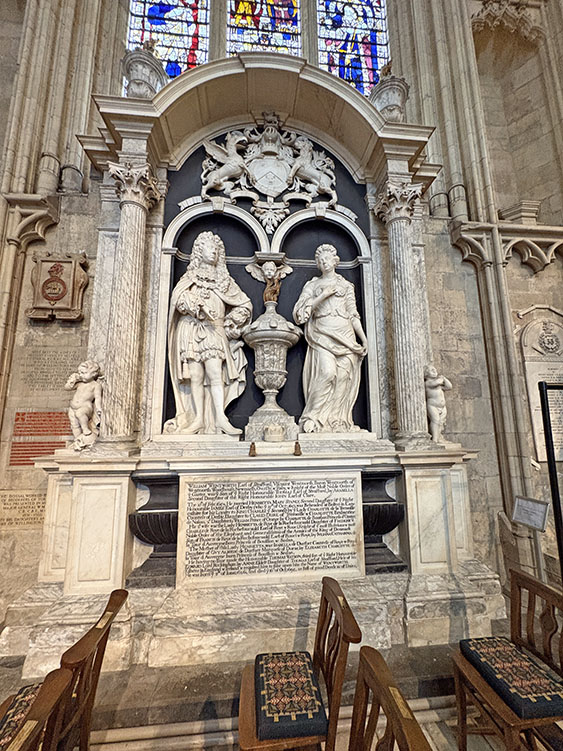
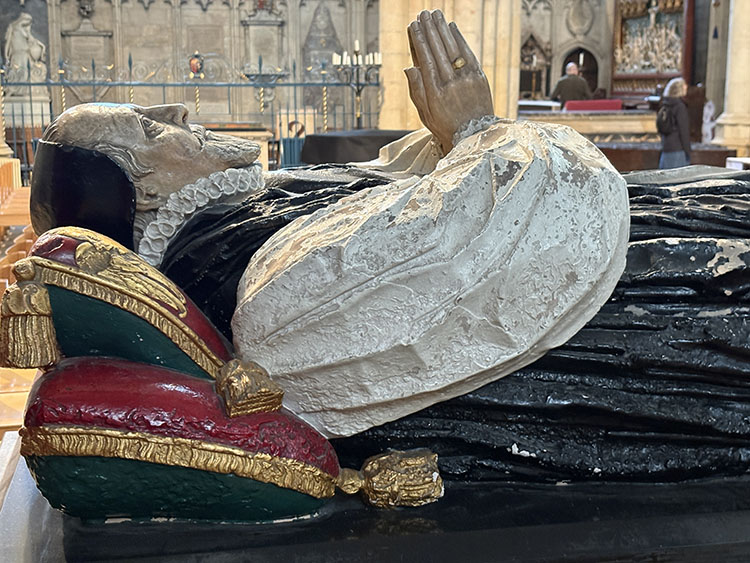
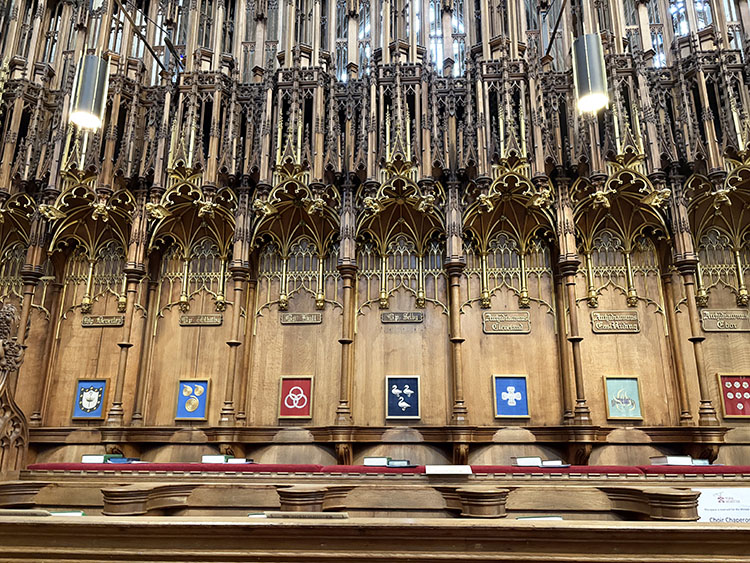
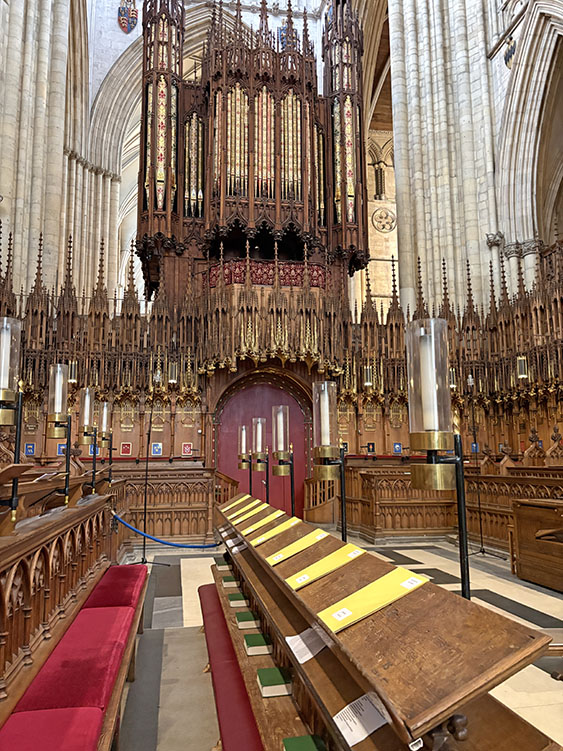
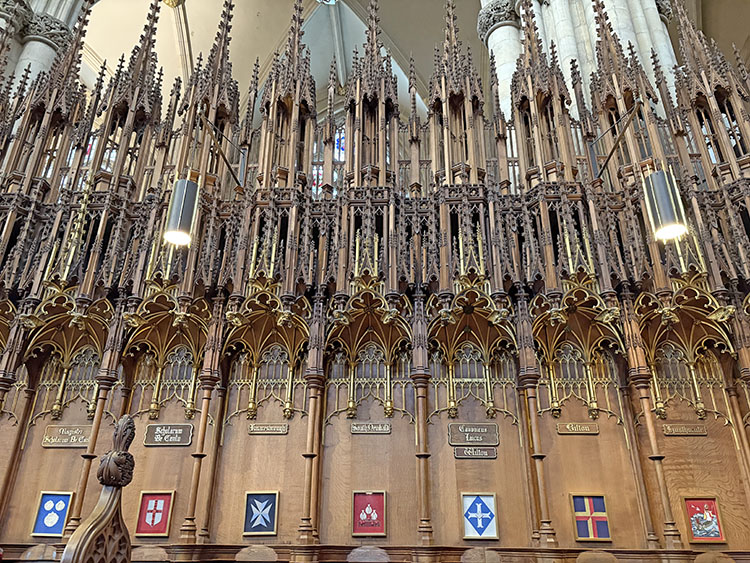
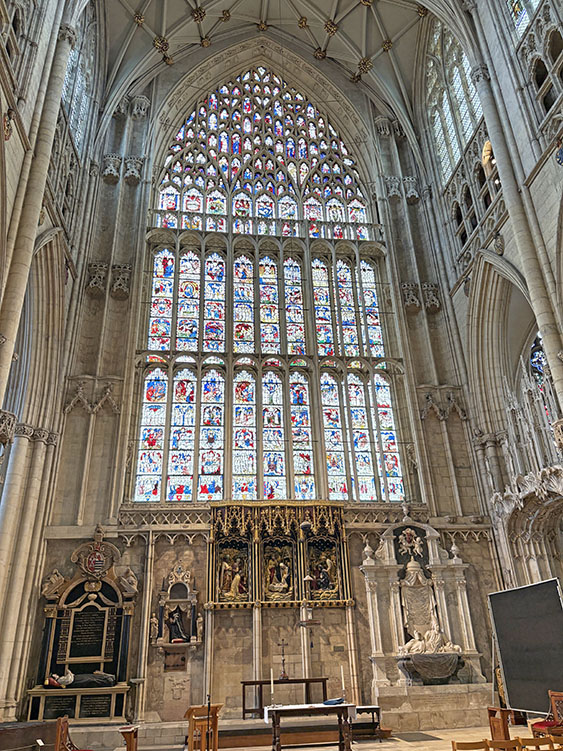
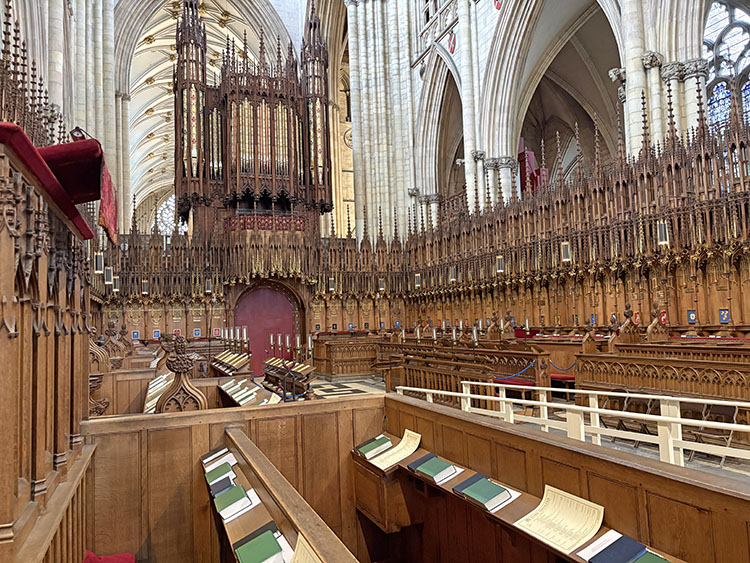
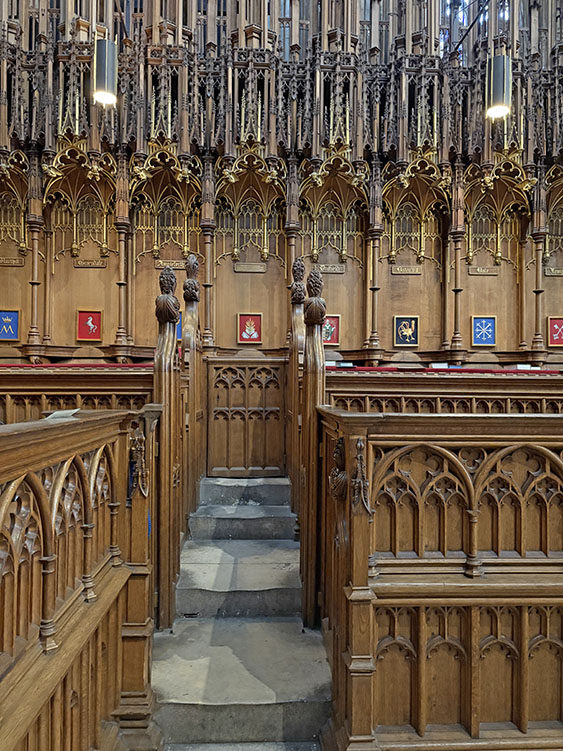
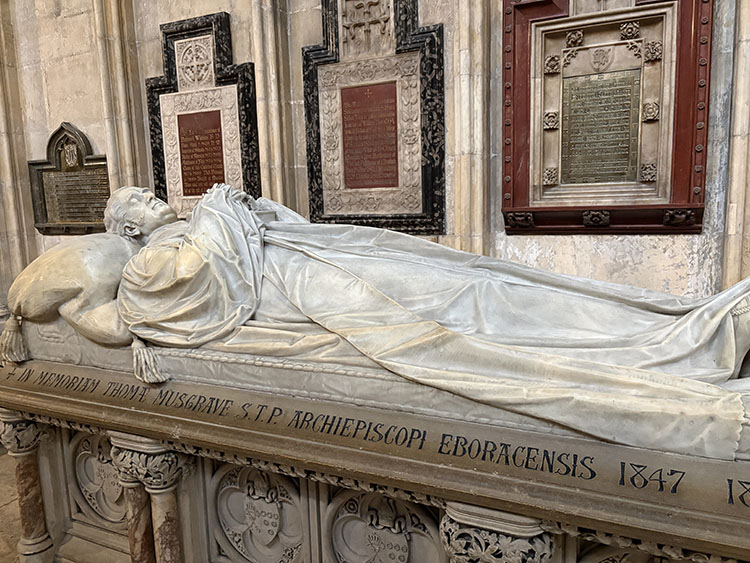
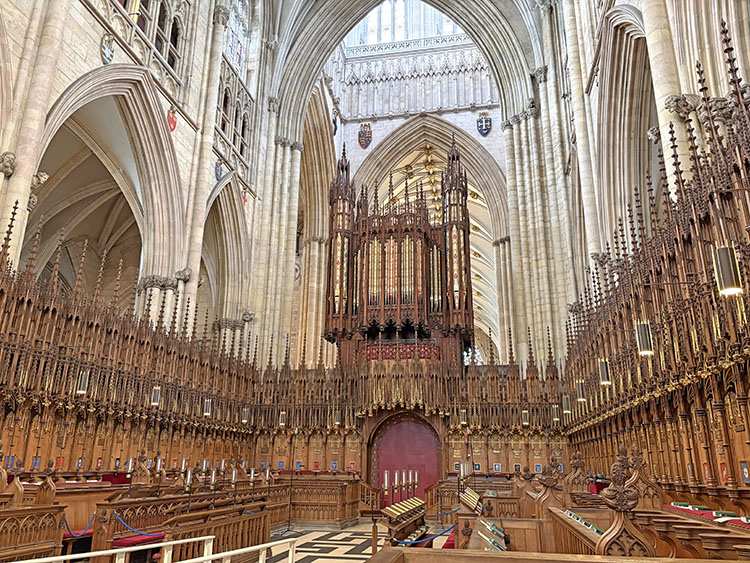
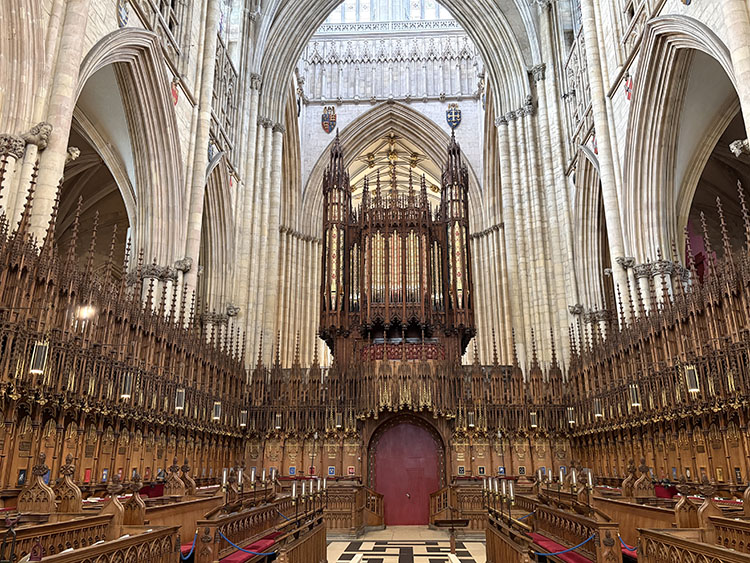
Leaving the Astronomical clock, I had a quick peep in St Nicholas Chapel, a significant part of the cathedral's history. It is a children's chapel located between the Astronomical clock and the Hindley clock and is dedicated to St Nicholas. The chapel features frescoes depicting scenes from St Nicholas' life, including the Charity of St Nicholas. I continued out of the North Transept, passing the Hindley Clock on my left, the clock is a remarkable piece of craftsmanship that dates back to 1749 and features two oak-carved figures known as "quarter jacks," which strike every quarter hour. The figures are called Gog and Magog and are estimated to be more than 400 years old. The clock's movement and the presence of these historical figures are a testament to the clockmaker Henry Hindley's skill and the enduring legacy of York Minster's clockmaking tradition. Leaving Gog and Magog to get on with their business, I continued around the corner along the North Quire Aisle, passing the marble tomb of Thomas Musgrave (1788-1860) the Archbishop of York in 1847 on my left, and up a couple of steps on my right and into the Quire. I usually have a sit down here just to marvel at all the ornate carvings, originally completed in 1420 but burnt down in 1829 after which the Victorian craftsmen recreated the exquisite medieval carvings we see today. There is so much to see in the quire, I spent a few moments looking for the Seat of the Bishop of Selby, easily depicted by the tree swans. Reluctantly I left the Quire and made my way round to East end, passing St Stephens Chapel on my left and stopping in the Lady Chapel to admire the huge East window, created between 1405 – 8 by master glazier John Thornton. This is the largest expanse of medieval stained glass in the country. I popped into the All-Saints Chapel in the corner, the tomb of another Archbishop of York Tobias Mathew (1546 – 1628) lies here, he was the Archbishop of York from 1606 till his death. Leaving Tobias behind me I left this Chapel and continued along the South Quire Aisle, there are some interesting memorials on the south wall, including Lord Stafford the 2nd Marquess of Rockingham the only Prime Minister who served from 1765 – 1766 and again in 1782. On my next visit I need to look for a Jane Hudson who died on the 2nd September 1636 aged 38 years during the birth of her twenty fourth child!
The South Aisle is over six hundred years old and due to its age, much restoration work is being carried out in this area including work to the St Cuthbert window, this window was donated to the Minster in 1440 by Thomas Langley the Bishop of Durham from 1406 – 1437, he had previously been the Dean at York Minster. Excellent audio video displays show the history of St Cuthbert and explain in great detail his history. I continued my browse along the South Aisle passing the Central Crossing till I reached the gift shop, I had one last look across the Naïve before I made my exit through the well-stocked gift shop.
|