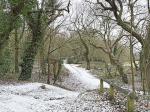
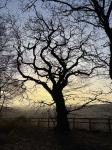
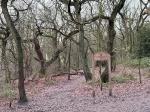
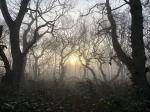
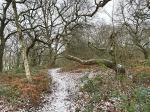
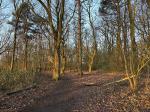
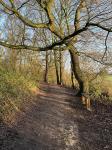
Brayton Barff Through the Seasons.
Set in the Vale of York, South West of the market town of Selby and between the villages of Thorpe Willoughby and Brayton, lies Brayton Barff, a sandstone Hill approximately one hundred and fifty feet in height which was formed by glacial movement during the last Ice Age. It is a significant landmark in an otherwise flat landscape.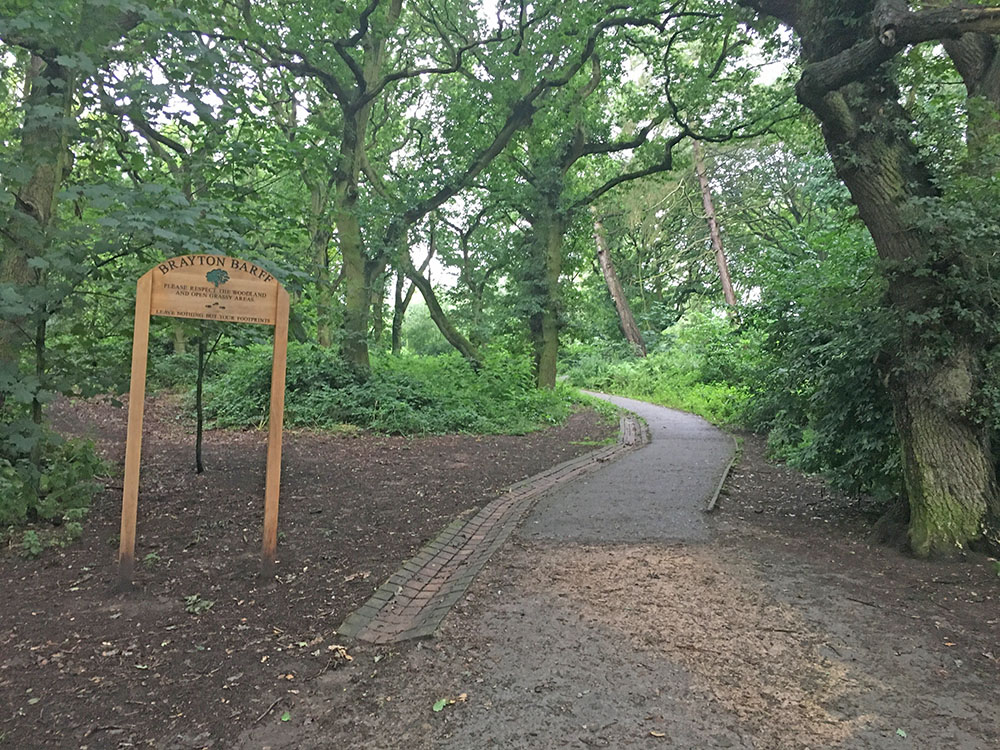
Today the site is primarily owned by Yorkshire Water with Selby District Council owning a small patch of the land adjacent to the A63 Selby bypass. A large underground reservoir occupies the centre of the site which delivers water to around 4.7 million customers throughout Yorkshire.
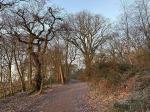
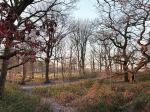
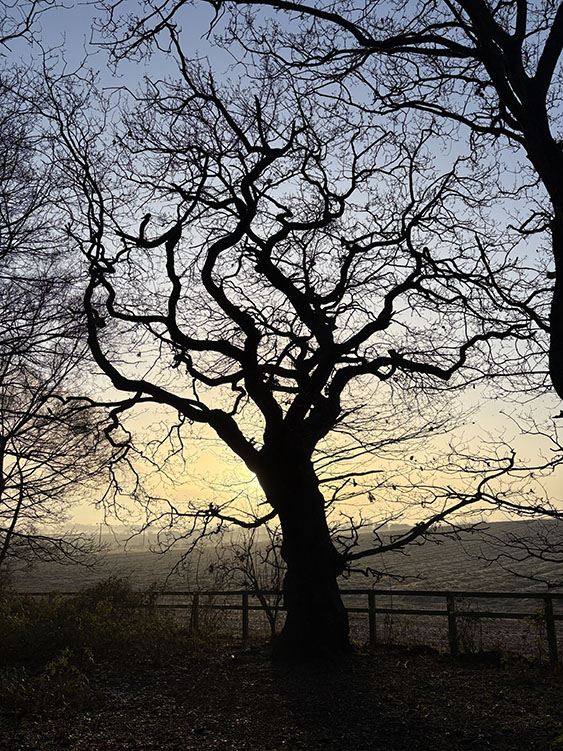
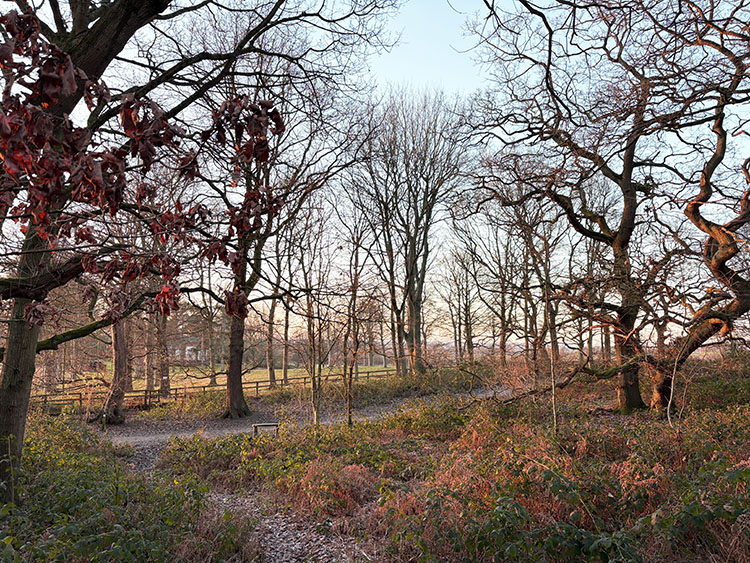
Within the Barff woodland over 40% of the trees are Sessile Oak which are generally found in semi natural woodlands in the north of the country. These trees are so called because its acorns are not held on stalks, like those of the English Oak (Pedunculate), but attached directly to the outer twigs. There are also several English Oak trees as well as some cross-hybrid oaks. These trees are known to support many species of flora and fauna, invertebrates, mosses, lichen and fungi.
During the Victorian times it is thought that the shipbuilders on the east coast would come over to the Barff for selected cuts of timber to build their sea going vessels.
The Barff also has a variety of other trees including Silver Birch, Beech, Sycamore, Holly, Rowan, Scots Pine, Alder, Hawthorne and European Larch. There are also several Yew, Willow, Hazel, Horse Chestnut and Wych Elm. As with similar woodlands there are a variety of bushes, including Honeysuckle, Elderberry, Gorse, Broom and Buddleia.
The history of Brayton Barff is quite vague, apparently during 1803 a beacon was lit on the Barff when the country was threatened with an invasion by Napoleon. In May 1935, to celebrate King George V's Silver Jubilee, a Bonfire was lit on the Barff as part of the celebrations.
Early issues of Ordnance Survey Maps dated 1903 clearly show a rifle range on the Barff, extending out to Mill Lane. During the 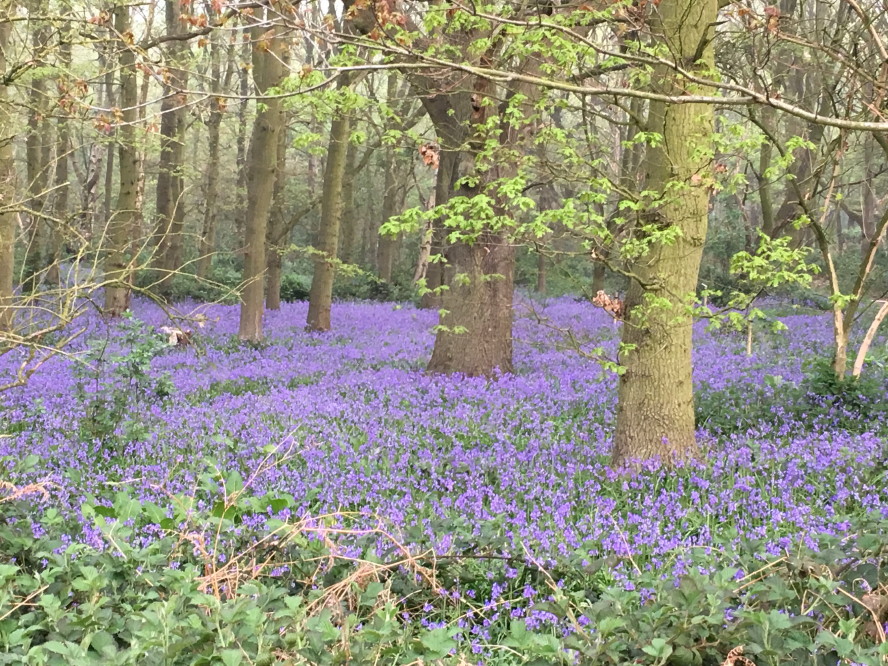 Second World War 1939-1945 a Prisoner of War Camp was built on the site. Today, nothing is left of these buildings less some areas to the South and West of the Barff where some of the brick foundations may be seen.
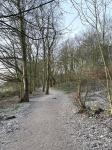
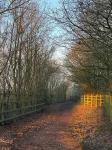
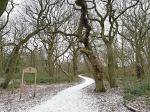
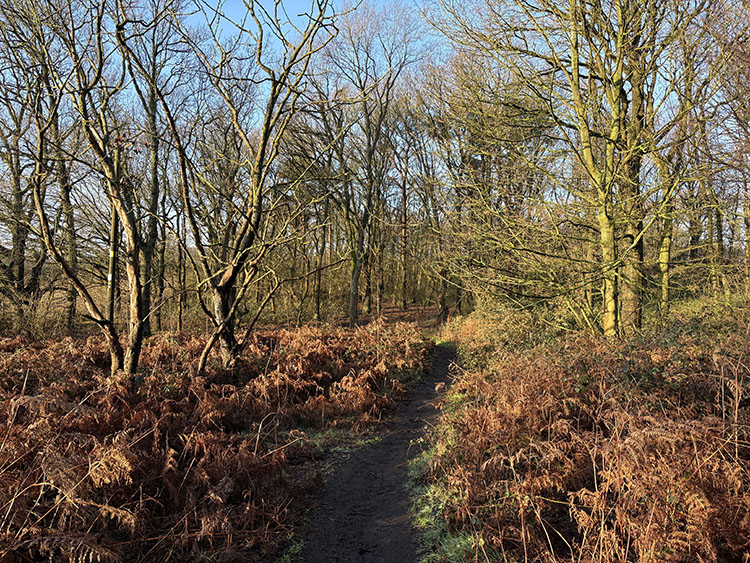
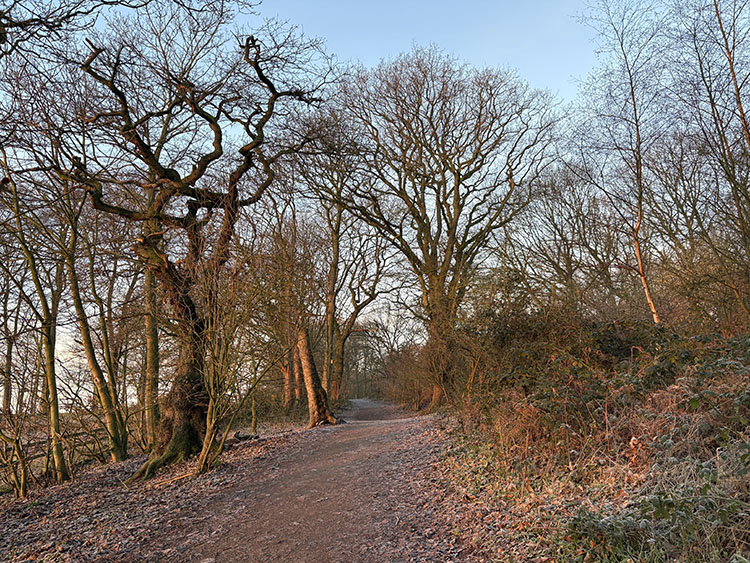
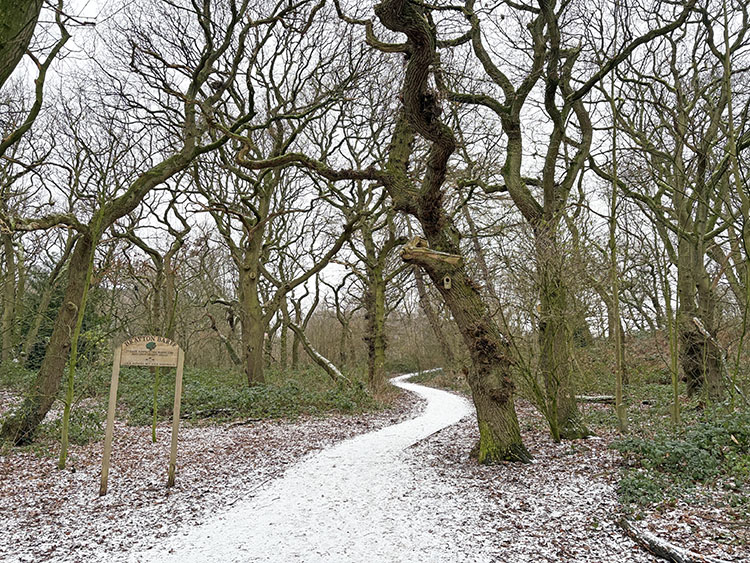
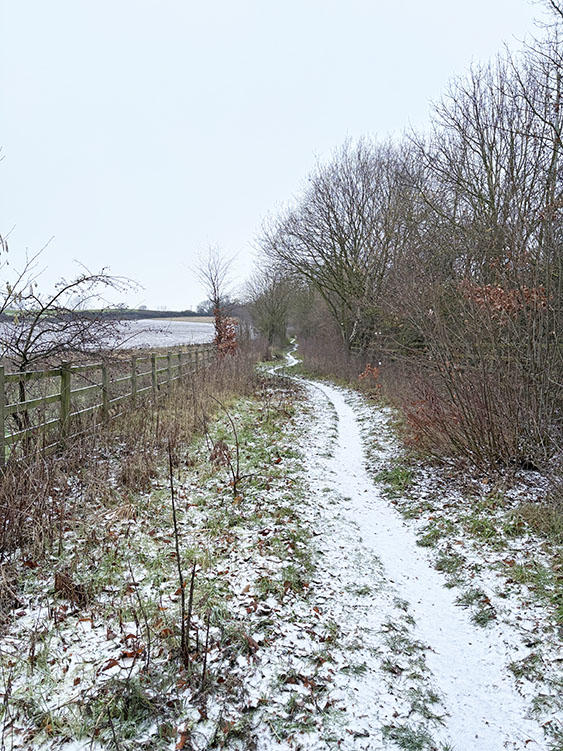
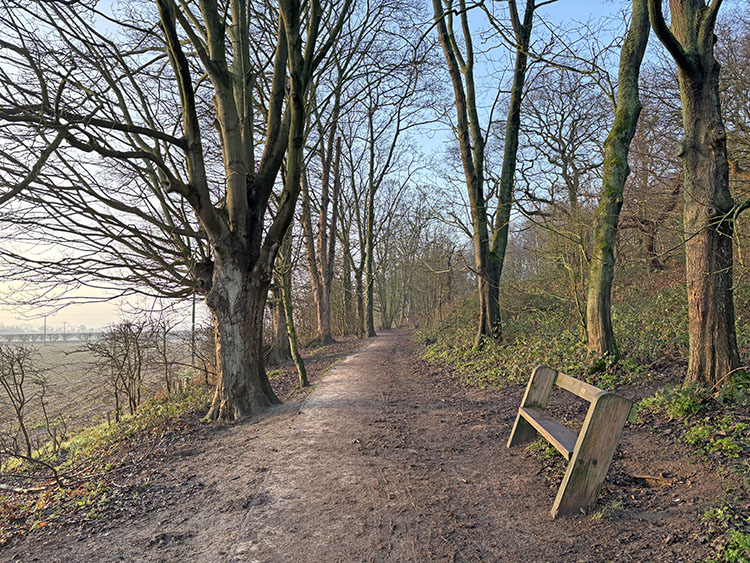
Between 2001 – 2004 the A63 Selby bypass, 10km twin lane single carriageway was constructed which severed the South West corner of the Barff, adjacent to Selby Golf Course and resulted in a slight redesign of several holes on the golf course. Wooden fencing was erected as a result of this new road running alongside of the Barff and a footbridge constructed over the ‘new road’ following the line of the Bridal way which extends from Mill Lane. Around 2005/2006 a definite 2metre wide limestone aggregate footpath was laid forming a circular path around the outer edges of the woodland. This footpath is approximately 1.2 miles in length and takes about 30 minutes to circumnavigate at a leisurely pace.
In 2012 the Barff was declared an Ancient Oak Woodland and as such throughout 2012 and 2013 significant work had been carried out by the relevant agencies to cut and remove large swathes of non-native trees, creating at that time huge scars on the landscape. Some three years later the planting of the native trees have become well established and are flourishing. Ongoing maintenance work on the footpath around the bottom of the Barff was completed during the Summer of 2016.
A second phase of woodland maintenance commenced during the Autumn of 2019 with the removal of many old and diseased trees and the cutting back of the Gorse and Broom bushes, especially adjacent to the ‘bypass trail’, this work continued through till March 2020 with re planting continuing into April 2020.
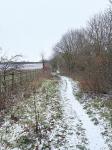
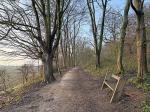
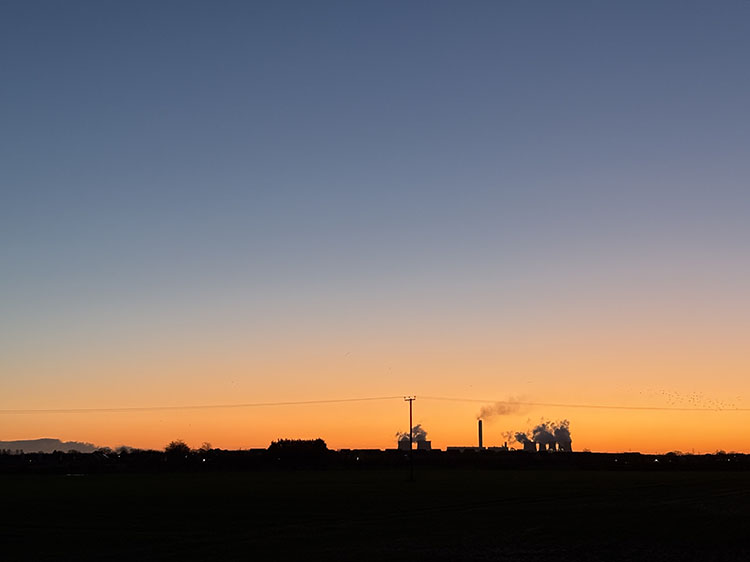
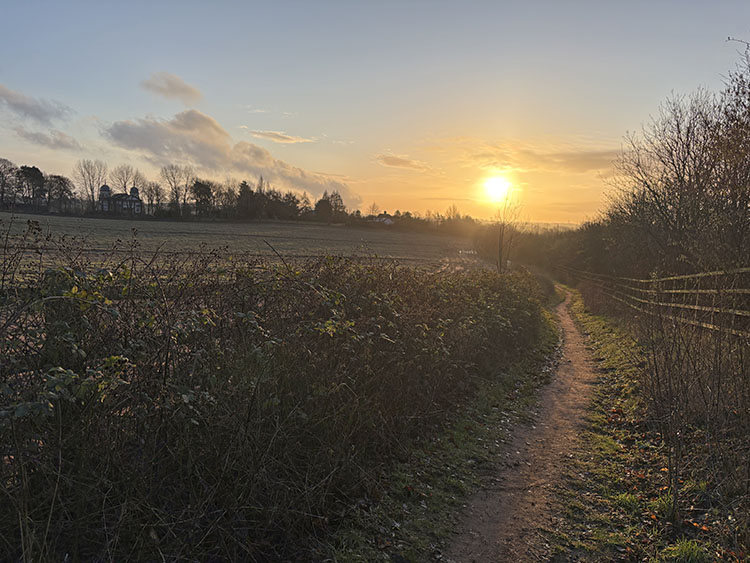
Brayton Barff is a popular site for walkers and bird watchers alike and a path circling the outer perimeter of the Barff makes a pleasant thirty minute walk, giving views looking over towards Selby and the village of Brayton as well as the power stations of Drax and Eggborough..jpg)
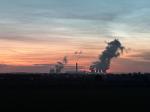
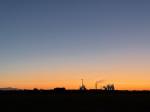
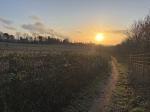
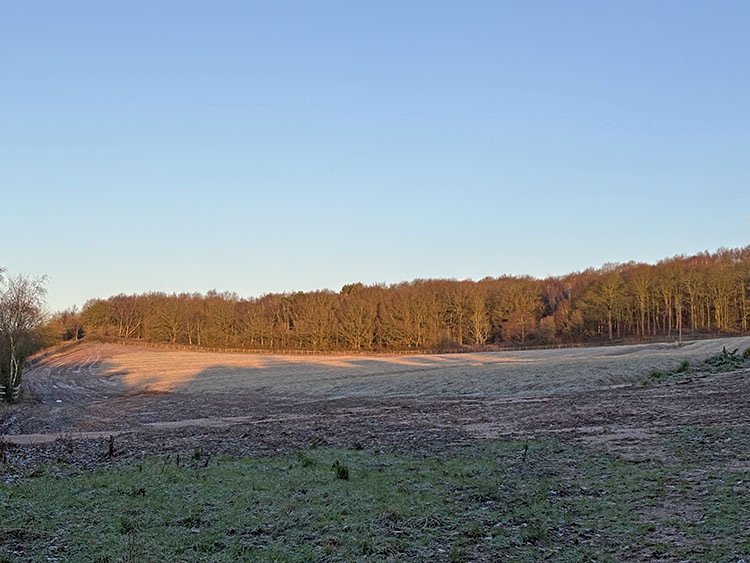
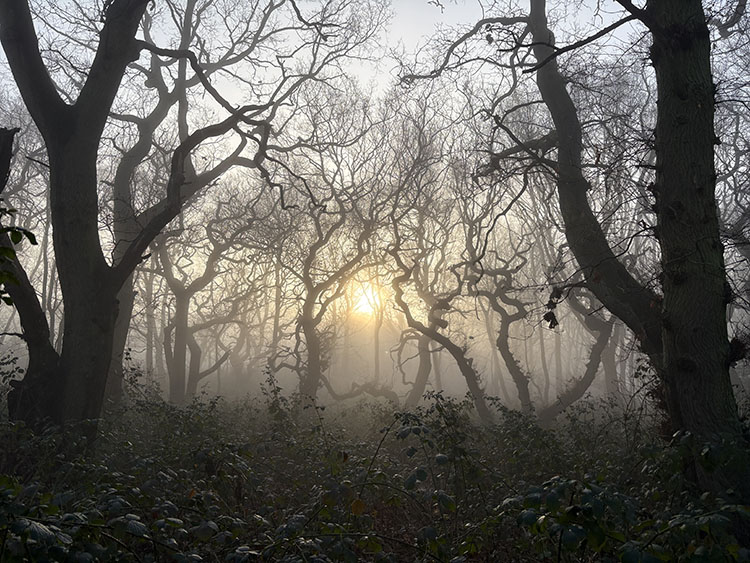
For the early risers it is a great place to see some stunning sunrises over the villages of Brayton looking towards Drax Power Station, the same with the Sunsets looking over towards Eggborough and Monk Fryston.
The Barff changes with the Seasons and every visit can reveal something new, the woodland is a haven for wildlife. Records show that since 1982 one hundred and twelve species of bird have been seen in the woodland and at least 40 of those have bred here, including Tawny Owl, Buzzard, Green Woodpecker, Spotted Flycatcher, Goldcrest and Nuthatch to name just a few. On average over 70 species of bird are recorded each year. Further details of the bird life on the Barff can be found on the Brayton Barff Group Facebook page, especially the posts from Derek Cooper. Today ‘The Friends of Brayton Barff group’ led by Derek and a small team of volunteers help keep and maintain the cleanliness of the site as well as recording the wildlife and bird sightings.
The Barff is also home to fifteen different species of mammals, including Muntjac Deer, Pipistrelle Bat, Fox, and Field Vole.
Over eighty species of plant and wildflowers have been recorded, included Bee Orchid, Northern Marsh Orchid, Wood Anemone, Marsh Ragwort, Bluebell, White Bluebell, Bittersweet and Purple and White Foxgloves. Over twenty species of Butterfly have been recorded, including Marbled White, Brown Angus, Speckled Wood, Comma and Brimstone.
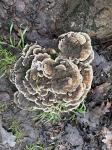
During the Autumnal months fungi thrives in this woodland environment, species including Fly Agaric, Beefsteak Tree Fungi, Chicken of the Wood, Sulphur Tufts, Stinkhorn, Ink cap, Puffballs and Hoof Bracket are just some of the many varieties that can be found here.
Click on the galleries shown below to expand the albums.
Saturday 31st January 2026
It has been a pretty cold and damp start to the new year which has prevented me from getting out and about around the county with my camera due mainly to either ice or excessive rainfall, which has caused some disruption around our part of North Yorkshire. We have had at least three named storms hit the Barff so far this year and I am sure we will have a few more before the winter ends. Fortunately, I have been able to get onto the Barff every day with Meg and Gracie without any problem other than having to tolerate some wet and cold mornings.
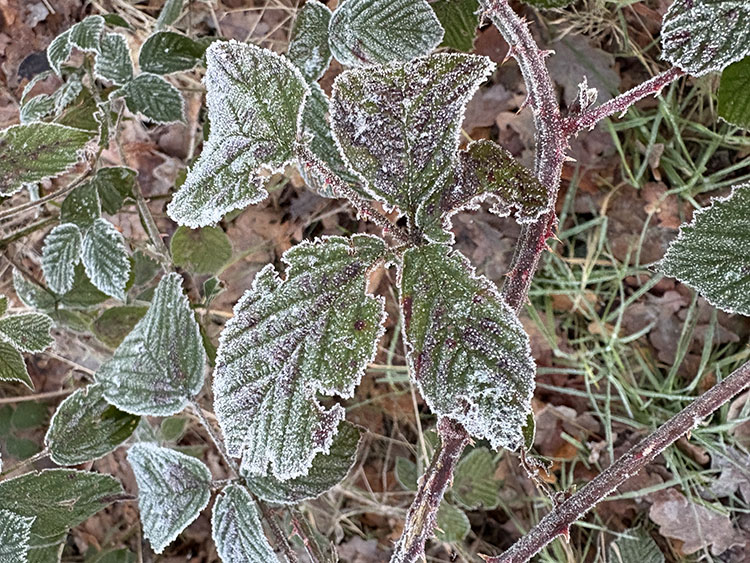
As I mentioned earlier it has been a cold and damp start to the year with ground frosts every night for the first week of January with the frost penetrating deep into the ground. Despite several Yellow weather warnings for snow and ice it has been the ice which has caused most disruption for our part of the county. The East Coast including the stretch from Bridlington up to and past Whitby saw several inches of snow, which caused the usual disruption with schools being closed and cars skidding of the main roads. Despite the colder weather it has remained dry and bright throughout the week with limited sunshine most days alas the daytime temperature not getting over 5c. The sun has been rising over the Barff around 8.20am this time of year and were short lived due to low cloud.
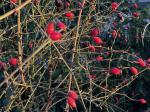
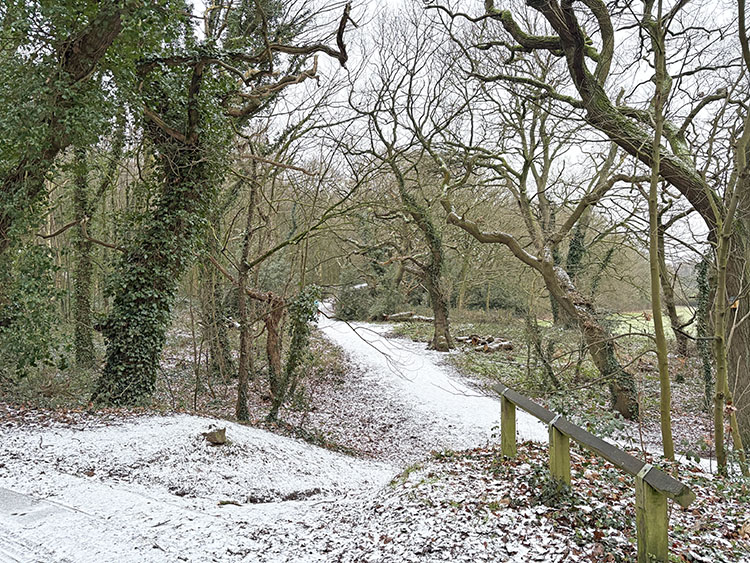
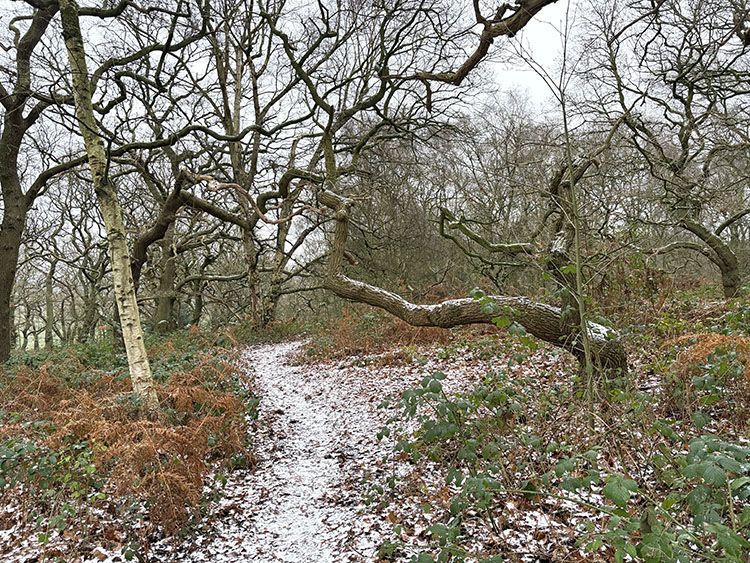
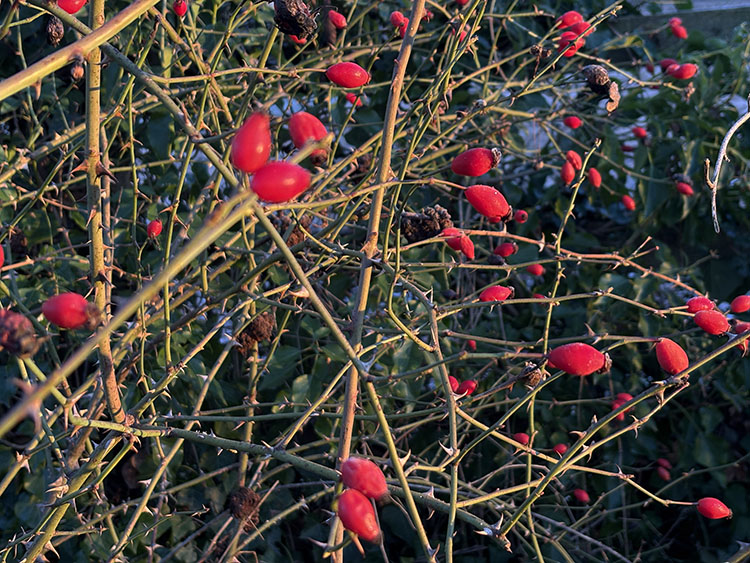
Storm Goretti hit Southern England, Wales, and parts of Eastern Scotland, during the second week of January which didn’t affect us though despite amber and yellow weather warnings for the Yorkshire area for snow and ice our part of North Yorkshire escaped without any significant disruption, the light covering of snow we had around the Barff was soon washed away after twelve hours of persistent light rain. After the snow had disappeared the temperature started to rise to highs of around 9c, although the ground remains quite badly frozen. Despite the cold and wet weather there is still plenty of food about on the Barff for the resident birds with red Hawthorn berries, Holly berries and Rosehips looking quite large and edible and provide good nourishment for the Mistle Thrush and Song Thrush. Hazel Catkins continue to grow apace especially along the bypass trail with some being more than three inches in length. Hairy crust fungi continue to flourish despite the cold weather, along with several varieties of the birch polypore fungi. The Gorse bushes continue to flower and add a welcome splash of colour especially on the dull and overcast mornings of late. Birdsong remains vibrant within the woodland. I have heard and seen the Buzzard out and about flying around the surrounding fields. Robin, Wren, Blue Tits, Great Tits and Long Tailed Tits along with Blackbirds, Crows, Woodpigeons Greater Spotted Woodpeckers, and Magpies can be heard most days. The Grey Squirrels population has remained active throughout the year on the Barff; they do not hibernate and can quite often be heard either squabbling with their mates or busily playing amongst the leaf litter and scurrying up and down the tree branches.
The third week of January was quite depressing really, the weather can only be described as dull, grey, and very wet with very little sunshine during the week, the persistent rain causing the river levels to rise to such levels as to cause flooding in York again. It was slightly warmer though the morning temperatures for the week remained below 5c. By the end of the week most of the ground frost had melted and the ground was becoming waterlogged again and very wet, slippery and very muddy. I had to revert to wearing wellies for my morning outings with Meg & Gracie due to the wet and muddy ground. It has been good to hear the Mistle and Song Thrush around the woodland, and birdsong continues to be vibrant despite the damp and wet mornings. Grey Squirrels are becoming more visible and active throughout the Barff be it scampering amongst the leaf litter or running up and down the tree trunks and along the branches at breakneck speed.
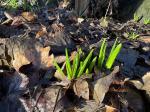
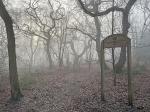
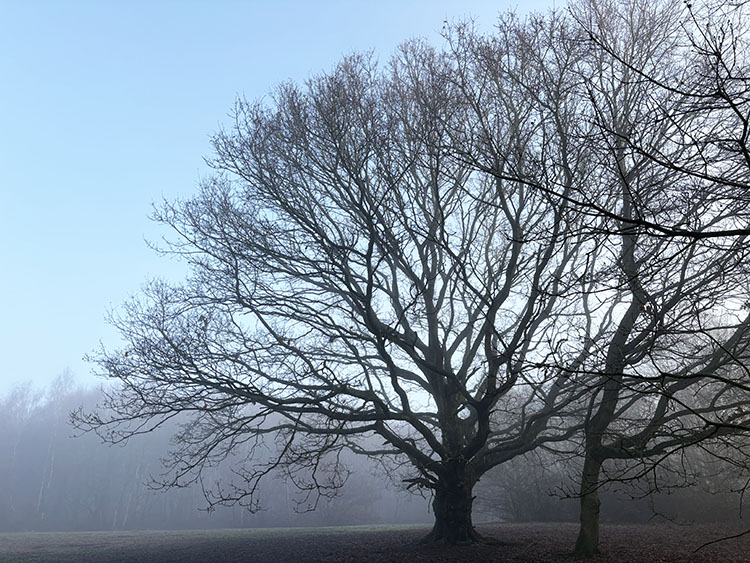
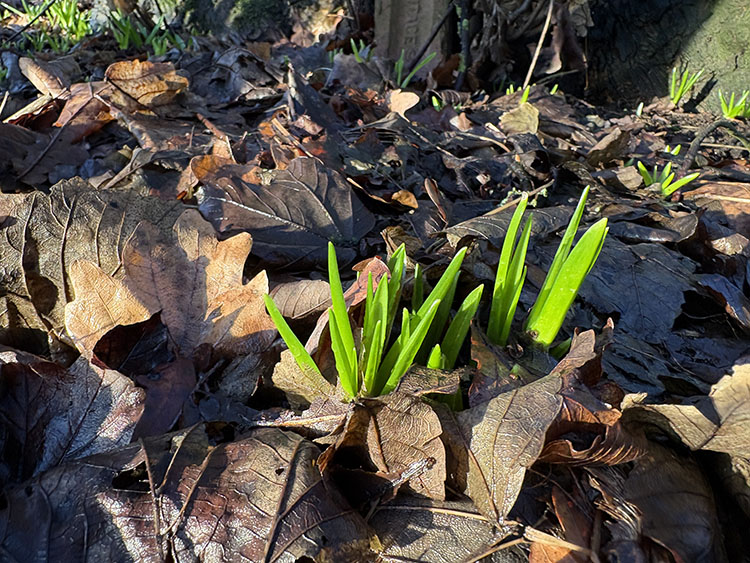
As January draws to a close the cold, dull, grey overcast mornings continued with the morning temperatures ranging from 0c – 5c. The Barff remains waterlogged and is still very slippery and muddy underfoot especially along the main perimeter and smaller tracks running across the centre of the woodland. Except for maybe a couple of days the sunrise (A few minutes after 8.00am) has been shrouded in a low mist and heavy cloud which has often lingered throughout the day. Fresh Molehills have been shooting up daily and several varieties of Fungi including Turkey Tail, Hairy Curtain Crust, Sulphur Tuft, and Yellow Brain fungi are currently showing in the similar places to last year. We had another yellow weather warning for snow and ice which didn’t really materialise on the Barff other than a light overnight frost. Storm Chandra hit the county on the 27th bringing with it some strong winds reaching 25mph in places across the Barff, fortunately not causing too much damage to the trees, although we also had another twelve hours of rain, fortunately it didn’t cause much of a problem other than topping up the water levels. We have seen well over 50% more rain than usual this January with rainfall recorded on at least 25 days of the month. Development and construction work on the Barff has been very quiet on the summit meadow, although I do not walk across the Barf summit every day, the times I have done the security gates to the compound have been locked with no sign of activity. On a brighter note, birdsong has remained vibrant and never fails to put a smile on my face, the Mistle Thrush and Song Thrush have been particularly vocal, accompanied by Robin, Wren, Great Tit, Blue Tit, Chaffinch, Coal Tit, Nuthatch and Wood Pigeon to name just a few. It is good to see the Bluebells are slowly emerging through the leaf litter, a sure sign that Spring is just around the corner, so I will be changing our usual walk pattern so as to not disturb the delicate green shoots, several clusters of Daffodils are growing nicely especially on the Barff summit and weather permitting will be opening up within the next few weeks.
|