Brayton Barff Through the Seasons.
Set in the Vale of York, South West of the market town of Selby and between the villages of Thorpe Willoughby and Brayton, lies Brayton Barff, a sandstone Hill approximately one hundred and fifty feet in height which was formed by glacial movement during the last Ice Age. It is a significant landmark in an otherwise flat landscape.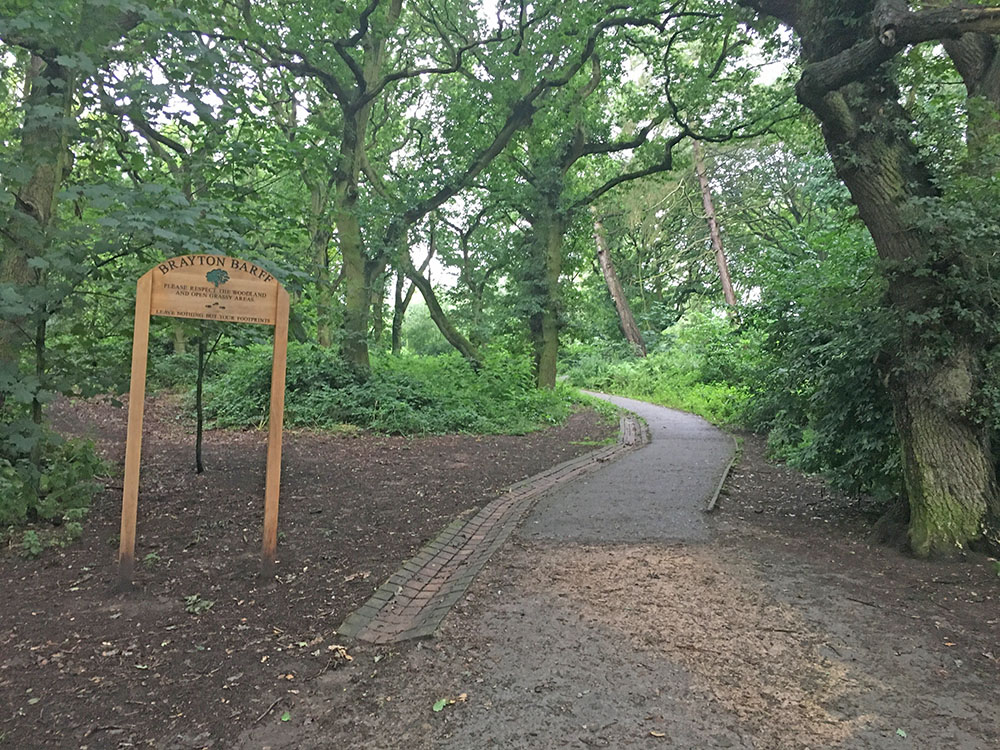
Today the site is primarily owned by Yorkshire Water with Selby District Council owning a small patch of the land adjacent to the A63 Selby bypass. A large underground reservoir occupies the centre of the site which delivers water to around 4.7 million customers throughout Yorkshire.
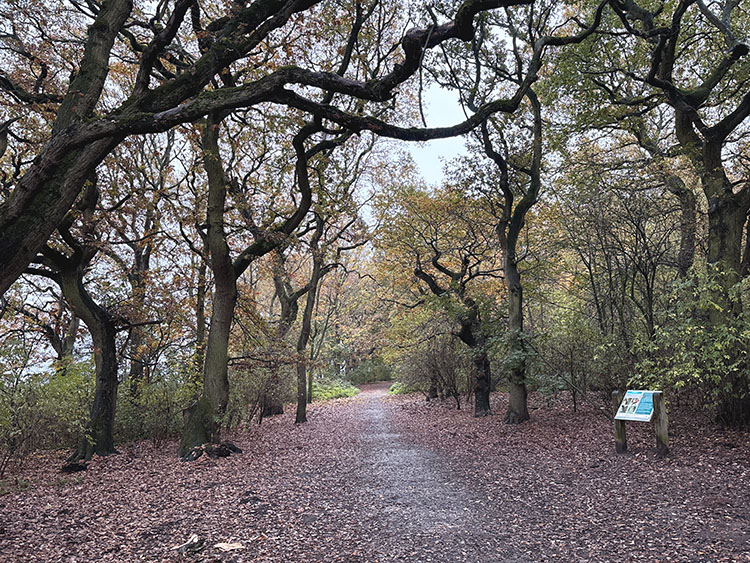
Within the Barff woodland over 40% of the trees are Sessile Oak which are generally found in semi natural woodlands in the north of the country. These trees are so called because its acorns are not held on stalks, like those of the English Oak (Pedunculate), but attached directly to the outer twigs. There are also several English Oak trees as well as some cross-hybrid oaks. These trees are known to support many species of flora and fauna, invertebrates, mosses, lichen and fungi.
During the Victorian times it is thought that the shipbuilders on the east coast would come over to the Barff for selected cuts of timber to build their sea going vessels.
The Barff also has a variety of other trees including Silver Birch, Beech, Sycamore, Holly, Rowan, Scots Pine, Alder, Hawthorne and European Larch. There are also several Yew, Willow, Hazel, Horse Chestnut and Wych Elm. As with similar woodlands there are a variety of bushes, including Honeysuckle, Elderberry, Gorse, Broom and Buddleia.
The history of Brayton Barff is quite vague, apparently during 1803 a beacon was lit on the Barff when the country was threatened with an invasion by Napoleon. In May 1935, to celebrate King George V's Silver Jubilee, a Bonfire was lit on the Barff as part of the celebrations.
Early issues of Ordnance Survey Maps dated 1903 clearly show a rifle range on the Barff, extending out to Mill Lane. During the 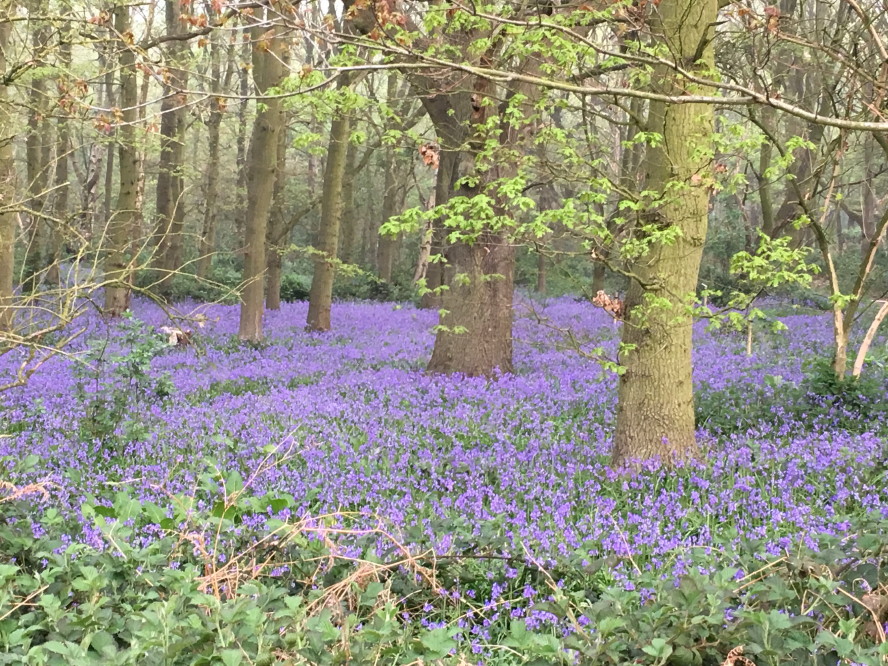 Second World War 1939-1945 a Prisoner of War Camp was built on the site. Today, nothing is left of these buildings less some areas to the South and West of the Barff where some of the brick foundations may be seen.
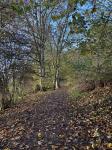
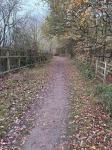
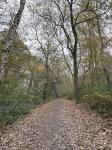
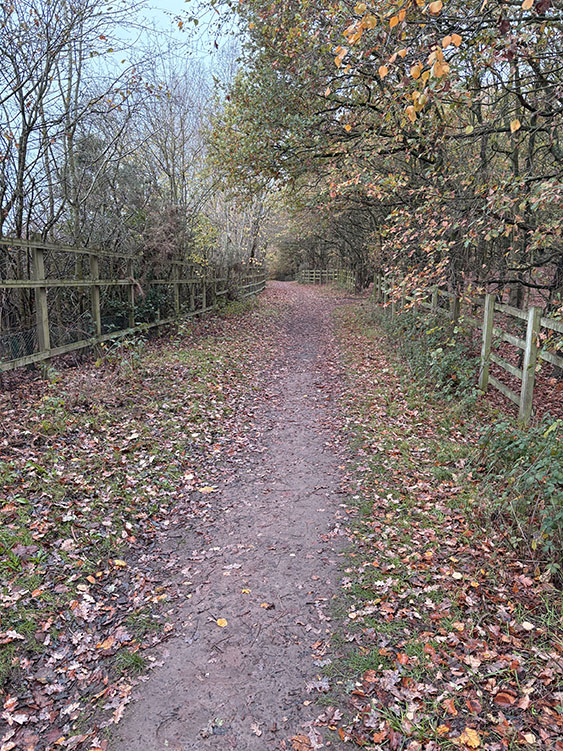
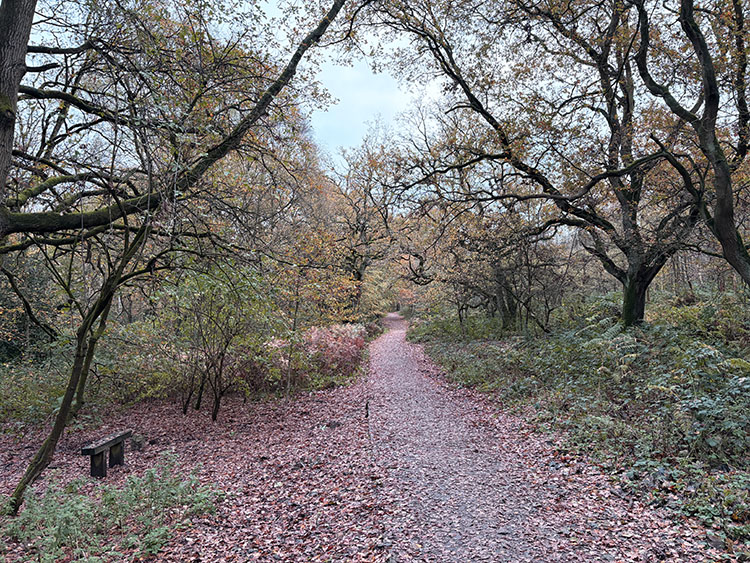
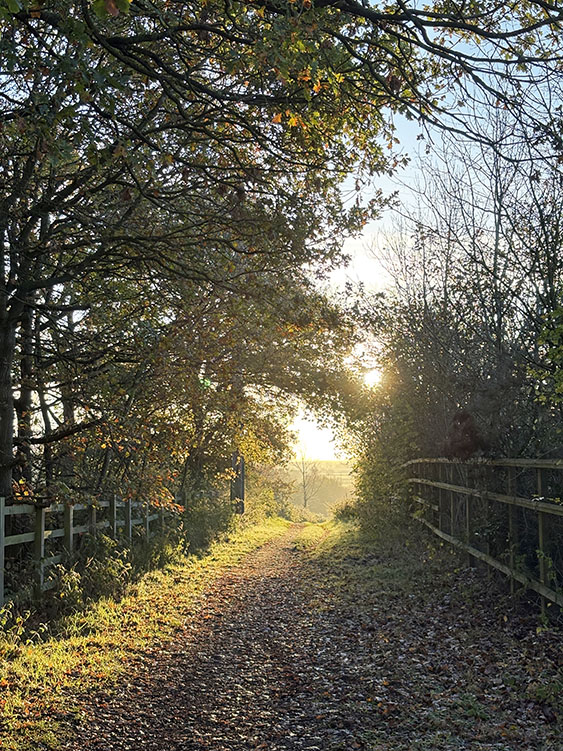
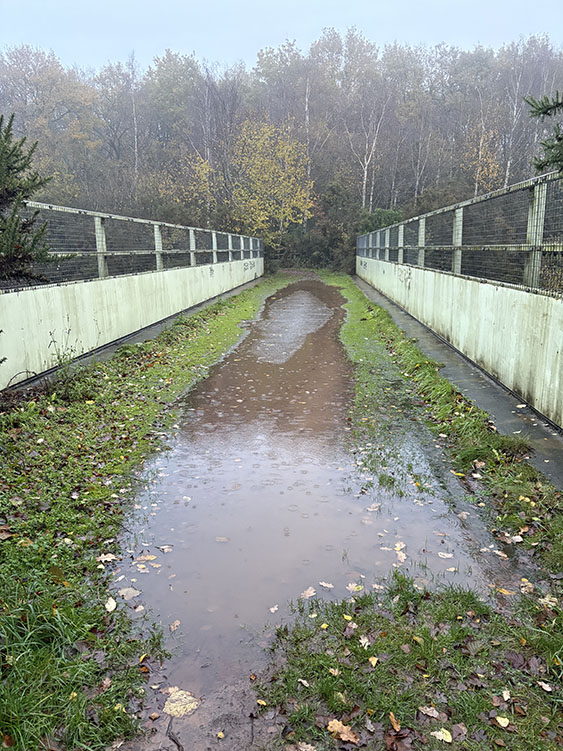
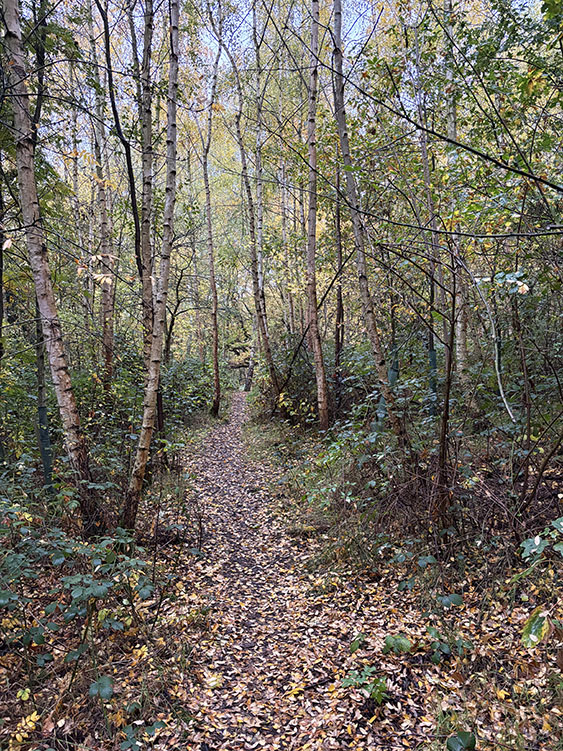
Between 2001 – 2004 the A63 Selby bypass, 10km twin lane single carriageway was constructed which severed the South West corner of the Barff, adjacent to Selby Golf Course and resulted in a slight redesign of several holes on the golf course. Wooden fencing was erected as a result of this new road running alongside of the Barff and a footbridge constructed over the ‘new road’ following the line of the Bridal way which extends from Mill Lane. Around 2005/2006 a definite 2metre wide limestone aggregate footpath was laid forming a circular path around the outer edges of the woodland. This footpath is approximately 1.2 miles in length and takes about 30 minutes to circumnavigate at a leisurely pace.
In 2012 the Barff was declared an Ancient Oak Woodland and as such throughout 2012 and 2013 significant work had been carried out by the relevant agencies to cut and remove large swathes of non-native trees, creating at that time huge scars on the landscape. Some three years later the planting of the native trees have become well established and are flourishing. Ongoing maintenance work on the footpath around the bottom of the Barff was completed during the Summer of 2016.
A second phase of woodland maintenance commenced during the Autumn of 2019 with the removal of many old and diseased trees and the cutting back of the Gorse and Broom bushes, especially adjacent to the ‘bypass trail’, this work continued through till March 2020 with re planting continuing into April 2020.
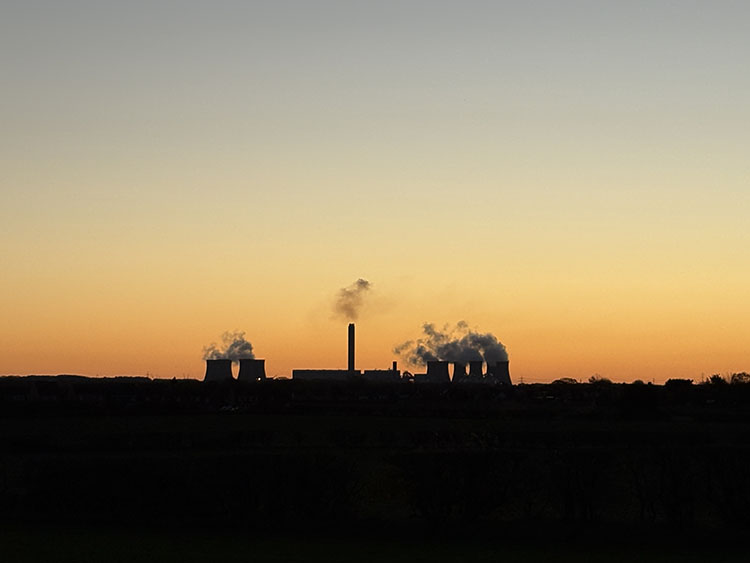
Brayton Barff is a popular site for walkers and bird watchers alike and a path circling the outer perimeter of the Barff makes a pleasant thirty minute walk, giving views looking over towards Selby and the village of Brayton as well as the power stations of Drax and Eggborough..jpg)
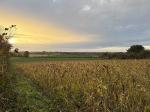
For the early risers it is a great place to see some stunning sunrises over the villages of Brayton looking towards Drax Power Station, the same with the Sunsets looking over towards Eggborough and Monk Fryston.
The Barff changes with the Seasons and every visit can reveal something new, the woodland is a haven for wildlife. Records show that since 1982 one hundred and twelve species of bird have been seen in the woodland and at least 40 of those have bred here, including Tawny Owl, Buzzard, Green Woodpecker, Spotted Flycatcher, Goldcrest and Nuthatch to name just a few. On average over 70 species of bird are recorded each year. Further details of the bird life on the Barff can be found on the Brayton Barff Group Facebook page, especially the posts from Derek Cooper. Today ‘The Friends of Brayton Barff group’ led by Derek and a small team of volunteers help keep and maintain the cleanliness of the site as well as recording the wildlife and bird sightings.
The Barff is also home to fifteen different species of mammals, including Muntjac Deer, Pipistrelle Bat, Fox, and Field Vole.
Over eighty species of plant and wildflowers have been recorded, included Bee Orchid, Northern Marsh Orchid, Wood Anemone, Marsh Ragwort, Bluebell, White Bluebell, Bittersweet and Purple and White Foxgloves. Over twenty species of Butterfly have been recorded, including Marbled White, Brown Angus, Speckled Wood, Comma and Brimstone.
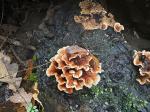
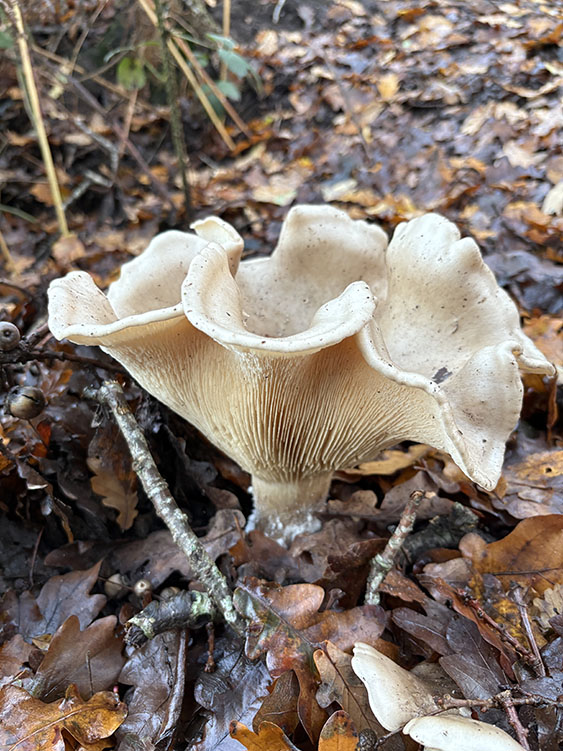
During the Autumnal months fungi thrives in this woodland environment, species including Fly Agaric, Beefsteak Tree Fungi, Chicken of the Wood, Sulphur Tufts, Stinkhorn, Ink cap, Puffballs and Hoof Bracket are just some of the many varieties that can be found here.
Click on the galleries shown below to expand the albums.
Sunday 30th November 2025
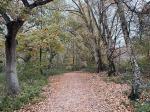
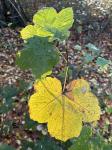
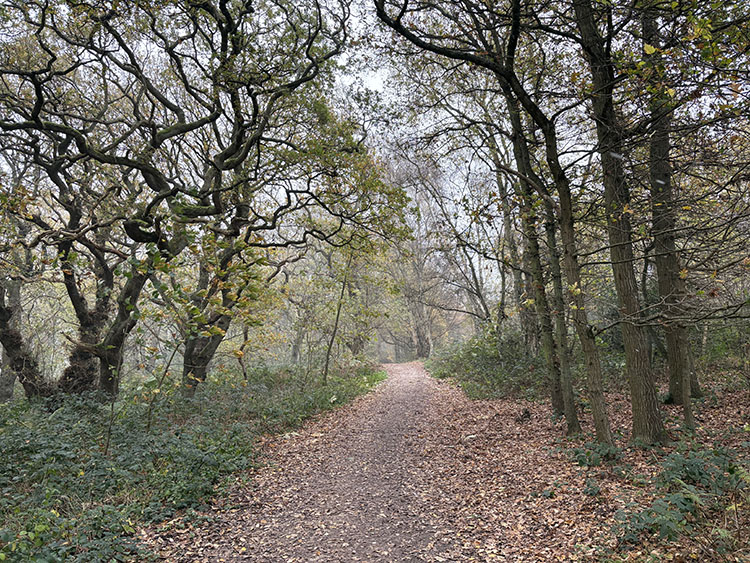
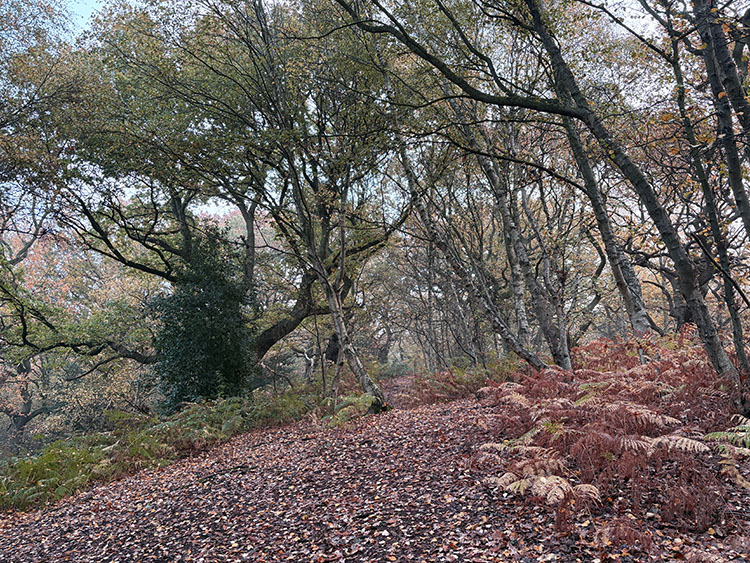
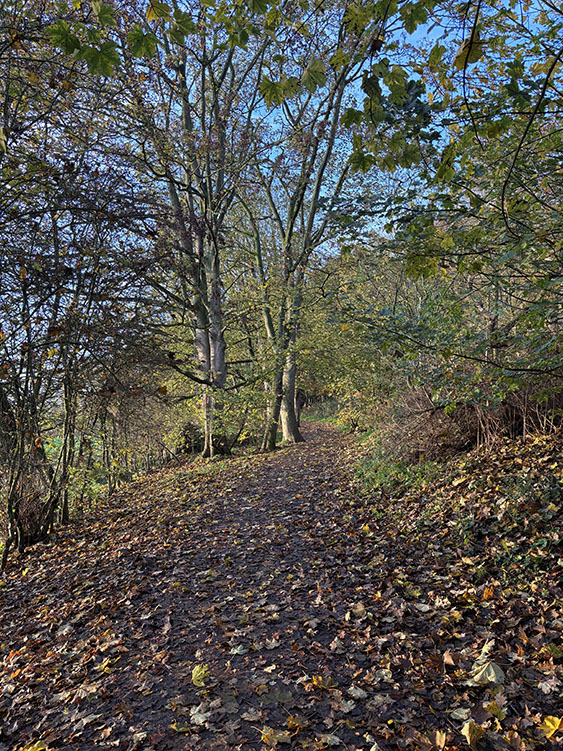
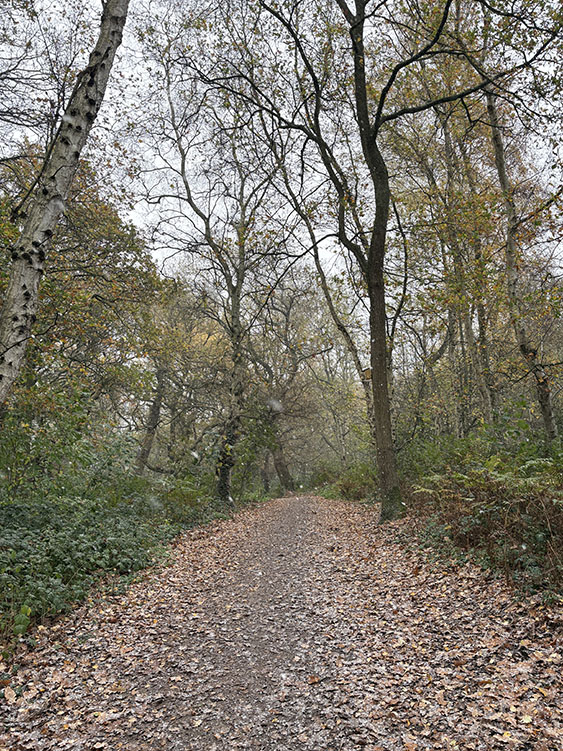
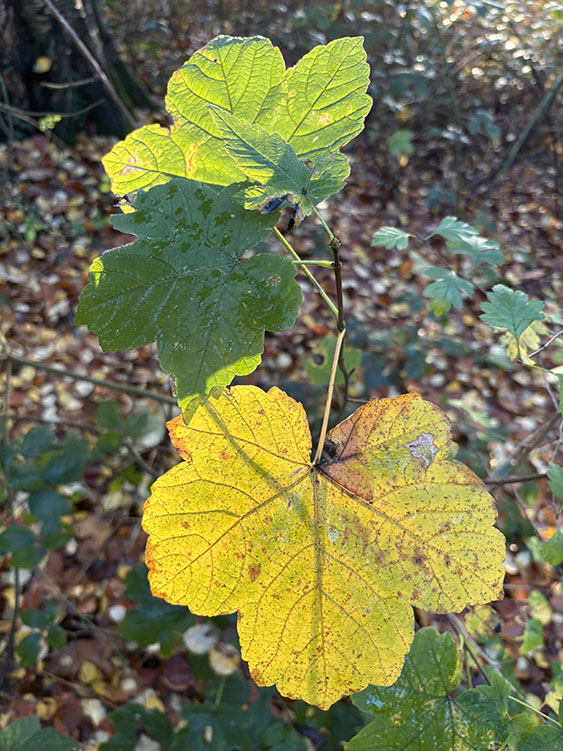
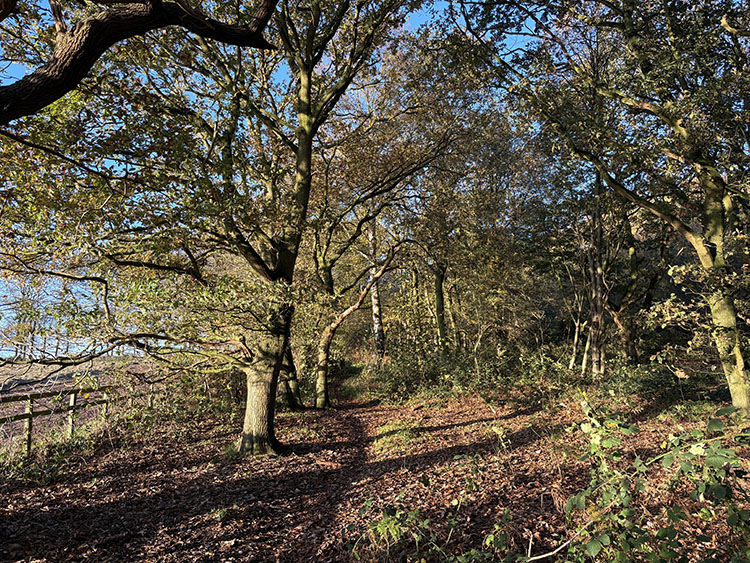
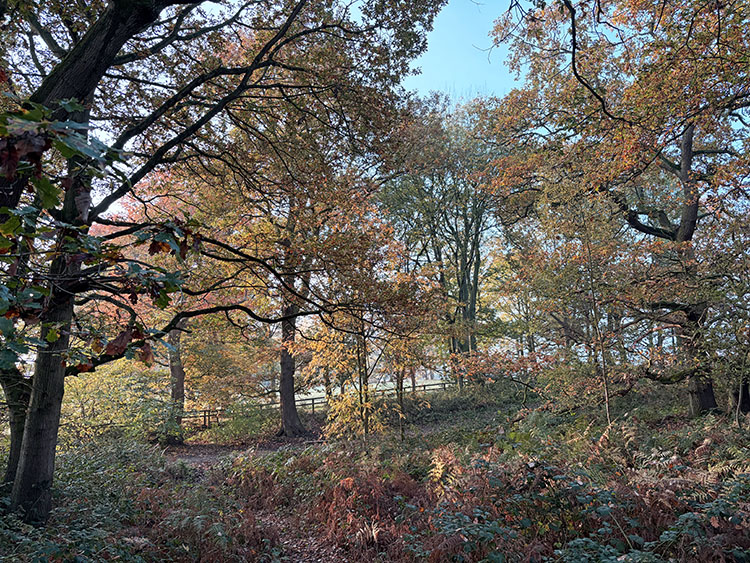
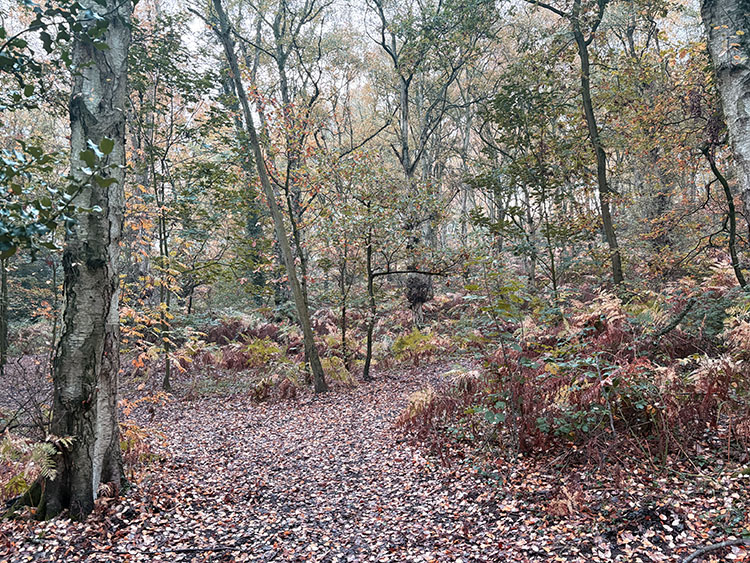
This November has been one of the most colourful months of the year on the Barff. The trees have started their transition into the colder winter months. Leaves that were intense green earlier in the year have burst into a fiery palette of yellows, oranges, reds, and russet browns, but as the month draws to a close the majority of the leaves have now fallen to the woodland floor, and the trees start to save energy for the colder months which lie ahead. No matter what the weather has been like (and it has been dull, wet, and overcast during most of my early morning visits to the Barff) I cannot but marvel at the wonderful display of colours they have produced this year.
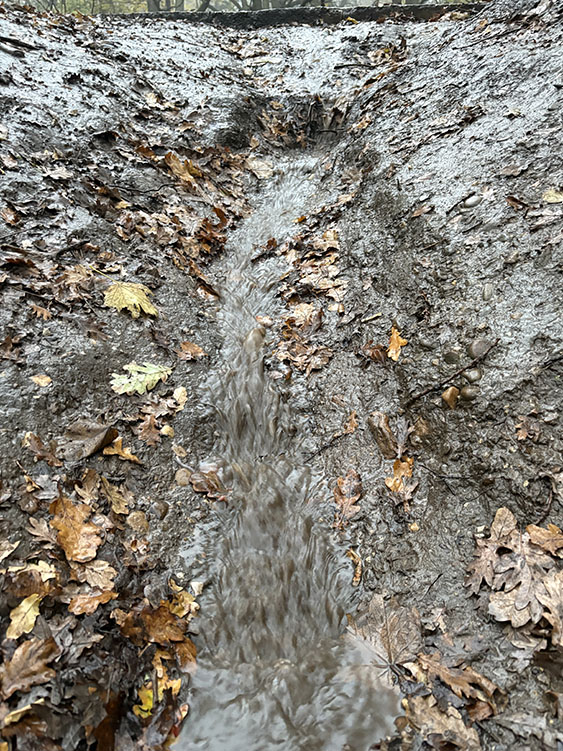
It has been exceptionally wet on the Barff this month with higher than average rainfall, the rain falling most days be it during the day but mostly during the night and into the early hours. That said we still have a long way to go before we come out of the ‘Drought’ situation we have been in for the past number of months. Yorkshire's reservoirs and groundwater supplies are recovering at different rates due to varied rainfall in those areas, but at the end of November, the reservoir levels across our region increased to 84% capacity. Currently, Yorkshire remains in official drought status, with hose pipe bans still in place until sufficient recovery across all reservoirs is achieved which should not now be long as our current rainfall is at 143% above the long-term average.
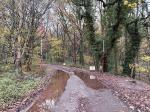
Storm Claudia hit North Yorkshire during the middle of November, bringing with it yellow weather warnings for strong winds and heavy rain. Over that weekend we endured a month’s worth of rainfall on the county resulting in high river levels on the Ouse, Ure, Derwent which resulted in flooding in the dales and several parts of West Yorkshire. The following week saw our first notable snowfall on the Barff, the wind changed to a northerly direction on the 16th and brought a cold blast which stayed with us for the next week, with light snow flurries on the afternoon of Wednesday 19th, but soon dissipated with the proceeding rain. The following morning was another bitterly cold day, fortunately I had just returned home with the dogs, and by mid-morning the light rain slowly turned to snow with the snow falling for the next few hours covering the ground with a light covering of snow. Rain later that evening cleared most of it away but the temperature dropped to -2c overnight with a hard frost. Friday 21st was cold all day, several light patches of snow remaining on the sheltered areas of the woodland, though rain later in the day soon melted what snow was left. The cold and unsettled weather continued for the reminder of the month with the ground very wet and waterlogged in places. The last weekend of the month saw another yellow weather warning for heavy rain which saw another 30 mm of rain fall on the woodland in just a 24-hour period. Despite the weather though, one of my highlights this month was watching six large Roe deer grazing in one of the fields along the bypass trail, easily recognised by their white rumps, completely oblivious to my and the dog’s presence. Another which I mentioned in my introduction was the beautiful autumnal colours around the woodland, not only from the trees but the ferns too. These incredible plants have evolved from more than 300 million years ago, when dinosaurs were roaming the land! The ferns do not flower but send out tiny spores which can float huge distances in the wind and remain dormant for decades. As the new fronds unfurl in the spring, they resemble the head of a violin, hence their old folk names of ‘fiddleheads’ and ‘croziers.’ Another highlight was listening to the return of the Mistle Thrush singing its head off on the 28th it had some stiff opposition from the Song Thrush and Robin but was good to hear.
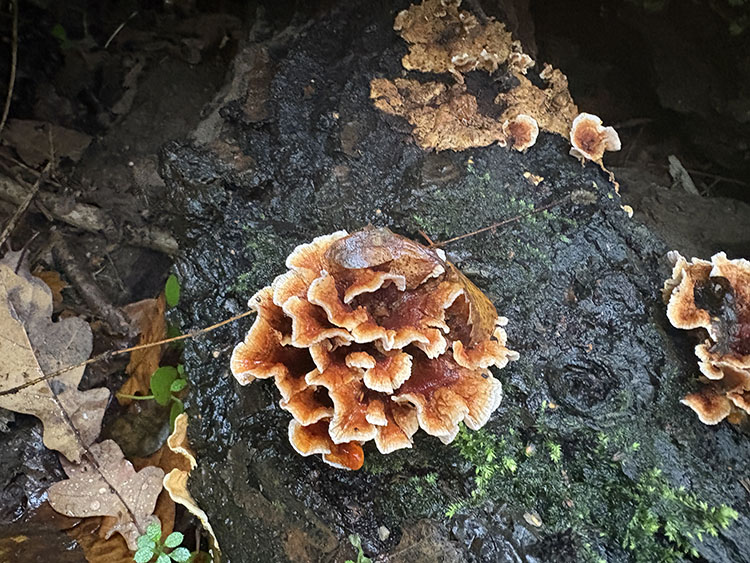
The Barff’s fungi continued to put on a good show especially during the first half of November, though there was still lots to see as the month comes to an end. Several moss-covered tree stumps can still be seen covered in Candle Snuff fungi, Hairy Curtain Crust fungi is still growing at an alarming rate around the woodland, its golden florets forming various patterns on the surface of the damp rotten tree branches and trunks. Jelly Eared fungus can still be seen in several places, along with Pale Brittlestem, and Cloudy Clitocybe. It has been a bumper month for Fly Agaric with it shooting up in several new areas of the woodland, though by the middle of the month it had all but died back. Clumps of Sulphur Tuft are still appearing at the bottom of decaying trees, along with the distinctive Jelly eared fungus.
Birdsong continues to be vibrant around the woodland though some mornings are more difficult to hear than others due to a combination of strong winds, heavy rain, and road noise from the bypass. Robin, Chaffinch, Blue Tit, Wren, Blackbird, Wood Pigeon, Crows, Great Tit, Dunnock, and Magpies can be heard most mornings, whilst Goldcrest, Long Tailed Tits, Jays, Tree Creeper, Greenfinch and Greater Spotted Woodpeckers are more selective when and where they decide to join the morning chorus. It has been good to hear the Mistle Thrush back on the Barff as November draws to a close. Since the late 1970’s this beautiful bird a little larger than the Song Thrush has undergone a massive decline in its numbers, so much so that by 2015 it was placed on the UK Red List.
Work has been continuing by the contractors employed by Yorkshire Water to build additional facilities on the top meadow. The large drilling rig looks to have been removed, with much unseen work continuing behind the huge privacy screens.
With winter just around the corner, meteorological winter starts on the 1st December whereas the Winter Solstice starts on Sunday 21st December, the day with the fewest hours of daylight. The winter months are vital for nature’s (and our) health, hard frosts and cold freezing weather kills lots of germs as well as assisting in breaking up the soil structure. Many of our plants need a period of cold weather for them to flourish in the Spring. Our Crocus and Bluebells, Daffodils and Foxgloves all require a cold snap to set off their germination, and it is much the same as the fruit trees.
There is nothing better on a cold winter’s morning than a walk around the Barff, few pleasures are nicer than seeing the trees laden with snow and a crisp, clear blue sky. I will take this opportunity from myself, Meg, and Gracie to wish you a Very Happy Christmas.
|